
TL;DR:
- Dynamic event photography emphasizes capturing spontaneous, energetic moments rather than posed portraits, transforming the visual storytelling of weddings and corporate events. Photographers achieve authentic coverage through preparation, anticipation, adaptability, and balancing candid and directed shots to suit event flow and lighting conditions. Choosing a photographer who demonstrates understanding of event timing and offers versatile galleries ensures memorable, meaningful images that reflect the event’s true energy.
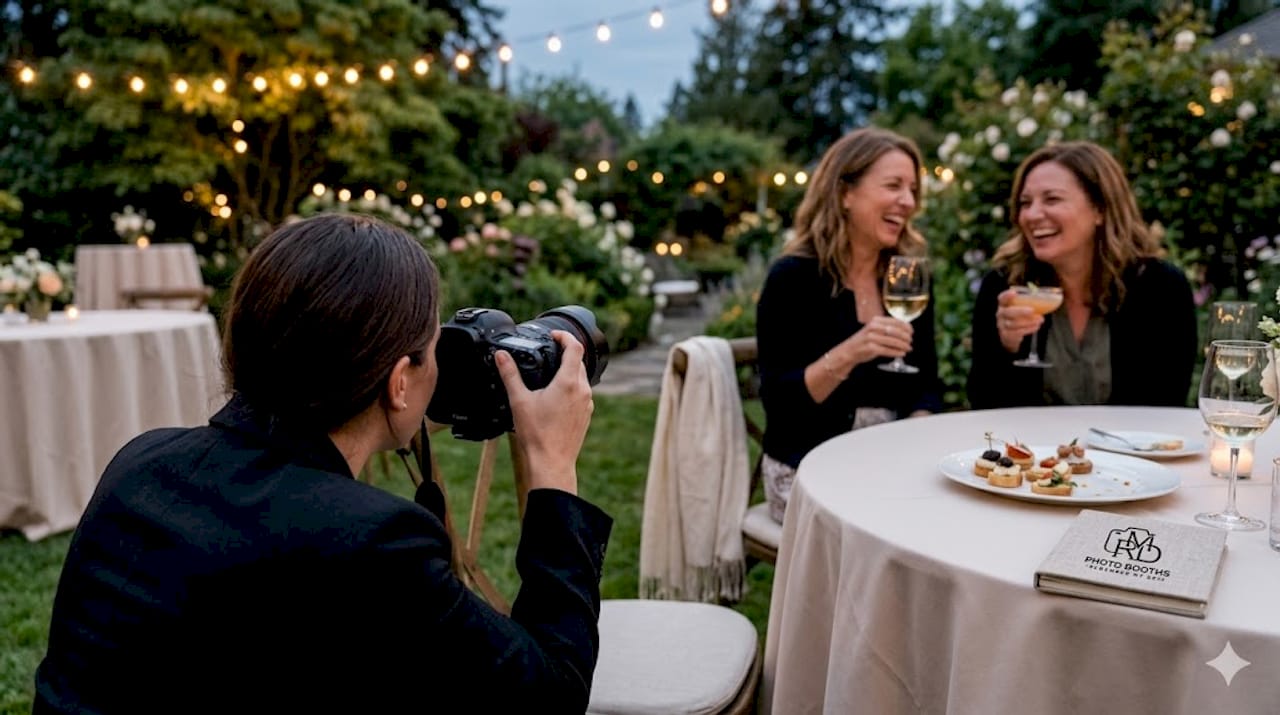
Many event hosts in San Antonio assume that professional event photography means carefully arranged group shots and stiff, posed portraits. That assumption leaves so much energy on the table. The most unforgettable images from weddings and corporate celebrations are the ones that catch a burst of laughter mid-sentence, a spontaneous embrace on the dance floor, or the electric tension right before a big announcement. That is the heart of dynamic event photography, and understanding how it works can completely transform the way you plan your event’s visual story.
Table of Contents
- What is dynamic event photography?
- Core mechanics: anticipation and adaptability
- Candid storytelling and directed essentials: balancing the approach
- Handling lighting and fast transitions: overcoming event challenges
- How to evaluate dynamic event photography for your San Antonio event
- Dynamic event photography: practical wisdom and what most guides miss
- Enhance your San Antonio event with innovative dynamic photography
- Frequently asked questions
Key Takeaways
| Point | Details |
|---|---|
| Dynamic means energetic and anticipatory | Dynamic event photography focuses on capturing motion, energy, and candid moments—not just posed shots. |
| Anticipation and adaptability matter | Photographers must anticipate key moments and adapt quickly to changing lighting and event flow. |
| Mixed coverage delivers more value | Combining candid storytelling with directed essentials provides versatile deliverables suited for both personal and business needs. |
| Quality is judged by real outcomes | There are no standard benchmarks; successful coverage is measured by client satisfaction and deliverable usage. |
| Ask the right questions | Event hosts should evaluate photographers by inquiring about their coverage strategies, lighting solutions, and mix of candid and posed shots. |
What is dynamic event photography?
With the misconception cleared, let’s define exactly what makes dynamic event photography distinctive and valuable for your celebration.
Dynamic event photography methods describe a style of coverage that prioritizes action, candid interactions, and the electric anticipation of live moments over structured, static poses. It is important to know upfront that, as noted across event photography terminology, “dynamic event photography” isn’t a universally defined industry term. It is widely used to describe coverage that emphasizes motion, energy, and an active, fast, anticipatory photographer approach rather than purely posed shooting.
So what separates dynamic from traditional event photography in practice? Here is a quick look:
| Feature | Traditional photography | Dynamic event photography |
|---|---|---|
| Shot style | Posed and staged | Candid and motion-driven |
| Photographer role | Directing subjects | Anticipating moments |
| Flexibility | Rigid shot list | Adapts to event flow |
| Emotional tone | Formal and structured | Energetic and authentic |
| Best for | Headshots, formals | Weddings, galas, conferences |
The key traits of a dynamic event photographer include:
- Anticipation: Reading the event flow and knowing what comes next before it happens
- Adaptability: Adjusting rapidly to changing conditions, lighting, and energy
- Unobtrusiveness: Moving through the venue without interrupting authentic moments
- Storytelling instinct: Connecting individual images into a meaningful visual narrative
“The best dynamic event photographers are not just reactive. They study the run-of-show, feel the room’s energy, and position themselves where the magic is about to happen.”
This proactive mindset is what makes dynamic coverage feel alive rather than staged. For San Antonio wedding hosts and corporate event planners, this distinction matters enormously when reviewing photographer portfolios and setting expectations.
Core mechanics: anticipation and adaptability
Now that you understand the broad definition, let’s dive into how dynamic photographers actually achieve this energetic, authentic coverage at real events.
The foundation of strong dynamic coverage is not fancy equipment. It is preparation. Strong event coverage relies on anticipation and positioning before the main moment, using the event’s flow and run-of-show to know what is coming next rather than only reacting after things happen. That insight changes everything about how you should evaluate photographers.
Here is how dynamic photographers put this into practice, step by step:
- Review the run-of-show: Before the event begins, they study the schedule so they know when key moments like first dances, award presentations, or keynote speeches are approaching.
- Scout the venue: They walk the space in advance to identify the best vantage points for candid coverage, group moments, and wide establishing shots.
- Position early: They move into place before moments unfold so they are ready, not scrambling.
- Adjust settings in real time: Camera settings like ISO, shutter speed, and aperture are constantly refined based on shifting light conditions.
- Stay low-profile: Dynamic photographers blend into the environment so guests behave naturally, producing more authentic images.
Understanding timing in event photography is genuinely a skill that takes years to develop. A photographer who arrives on time but has not studied the event schedule will miss the most powerful frames every single time.
Pro Tip: When hiring a photographer for your San Antonio event, ask them directly how they use the run-of-show document. If they look confused or say they just wing it, that is a red flag worth taking seriously.
Lighting adaptability is equally critical. Dynamic photographers rely on fast lenses (wide apertures like f/1.8 or f/2.8), bounce flash techniques, and high ISO settings to handle the unpredictable lighting conditions at venues ranging from San Antonio’s outdoor gardens to hotel ballrooms with dramatic uplighting. Check out successful event photography tips for more on what separates good preparation from great results.
Candid storytelling and directed essentials: balancing the approach
With a clear view of how photographers anticipate and adapt, let’s explore how they blend candid and choreographed shots to deliver maximum value for your event.
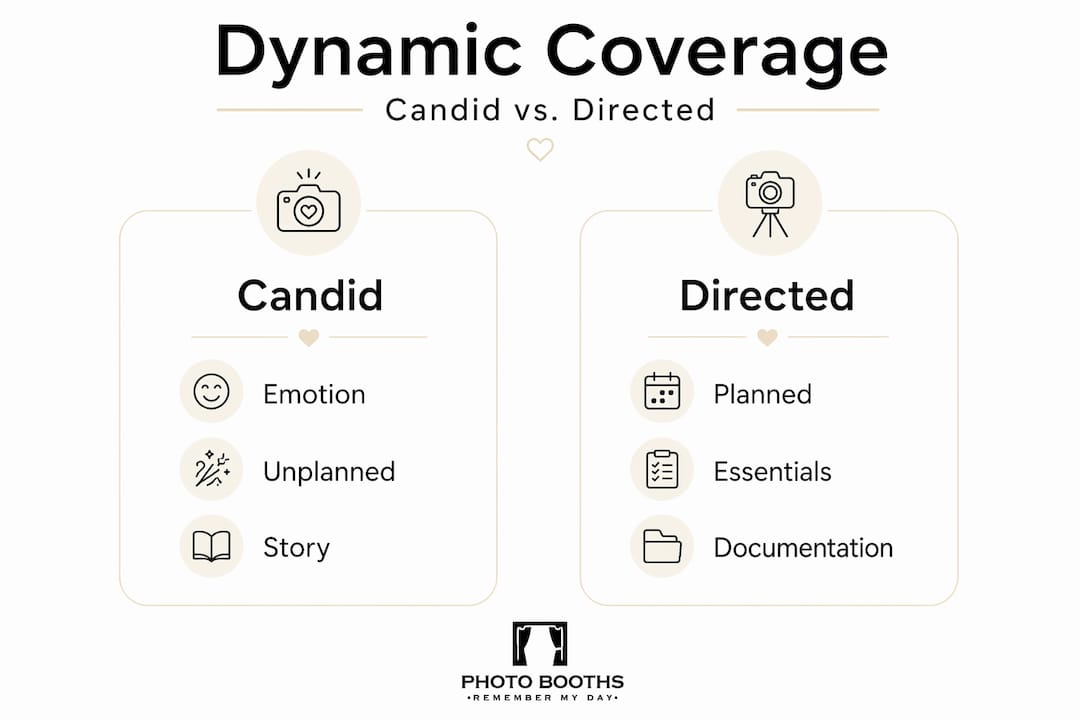
One of the most practical truths about dynamic event photography is that it typically uses a mix of candid, photojournalistic sequences and directed essentials like speeches, key portraits, and group or team shots, rather than relying on only one mode. This balance is what makes a gallery truly versatile and useful long after the event is over.
Here is why the mix matters so much:
- Candid shots capture raw emotion, spontaneous laughter, surprised expressions, and the genuine energy of your guests
- Directed portraits ensure you have polished, professional images for branding, press releases, or personal keepsakes
- Group photos provide social proof and team-building memories for corporate events
- Speech and ceremony coverage documents the moments that carry the most meaning
Consider this real-world example. At a corporate awards gala in San Antonio, a dynamic photographer might spend most of the cocktail hour moving through the crowd, capturing natural conversations and candid reactions. Then, when the CEO takes the stage, the photographer shifts to a directed approach to ensure the key announcement and award presentations are perfectly framed and consistently exposed. Neither mode alone would produce a gallery worth sharing.
| Shot type | Candid | Directed |
|---|---|---|
| Purpose | Emotional storytelling | Professional documentation |
| Usage | Social media, personal memories | Press, marketing, internal comms |
| Planning needed | Low (trust the flow) | Moderate (short shot list) |
| Guest awareness | Not needed | Required |
Pro Tip: Before your event, share a short list of five to ten “must-have” directed shots with your photographer. This protects the non-negotiables while giving them full freedom to work dynamically the rest of the time.
For corporate hosts looking for engaging event photography ideas that go beyond static coverage, this blend is the sweet spot. And for social celebrations, visiting our social events page gives you a great sense of what a fully realized dynamic gallery looks like in the real world.
Handling lighting and fast transitions: overcoming event challenges
After understanding the coverage balance, it is crucial to know how dynamic photographers overcome the toughest event conditions, because San Antonio events are full of them.
Low light, mixed lighting, and fast transitions are central challenges that photographers must adapt to quickly to avoid missing moments. Mixed lighting, in particular, is a sneaky problem. Think about a ballroom where LED uplighting in deep purple clashes with warm tungsten stage lights and cold white ceiling fixtures. That combination creates a nightmare for color accuracy without fast, deliberate adjustments.
Here are the most common challenges and how skilled photographers solve them:
- Low light venues: Use fast lenses at wide apertures and raise ISO while managing noise through modern camera sensors and post-processing
- Mixed color temperature lighting: Adjust white balance manually or shoot in RAW format for flexible correction in editing
- Outdoor to indoor transitions: Allow camera settings to adjust and use a secondary camera body pre-set for the new environment
- Rapid schedule changes: Stay in communication with the event coordinator and keep equipment accessible for quick movement
- Reflective surfaces: Angle the flash to reduce harsh reflections on windows, mirrors, and glassware common in upscale San Antonio venues
Fast transitions are equally demanding. When a dinner wraps up and dancing begins in three minutes, a dynamic photographer needs to relocate, re-assess the lighting, and be in position before the first song starts. There is no time to hesitate.
Pro Tip: Ask your venue coordinator to provide a detailed timeline to both you and your photographer at least one week before the event. Photographers who receive the timeline early have significantly more time to plan their positioning strategy room by room.
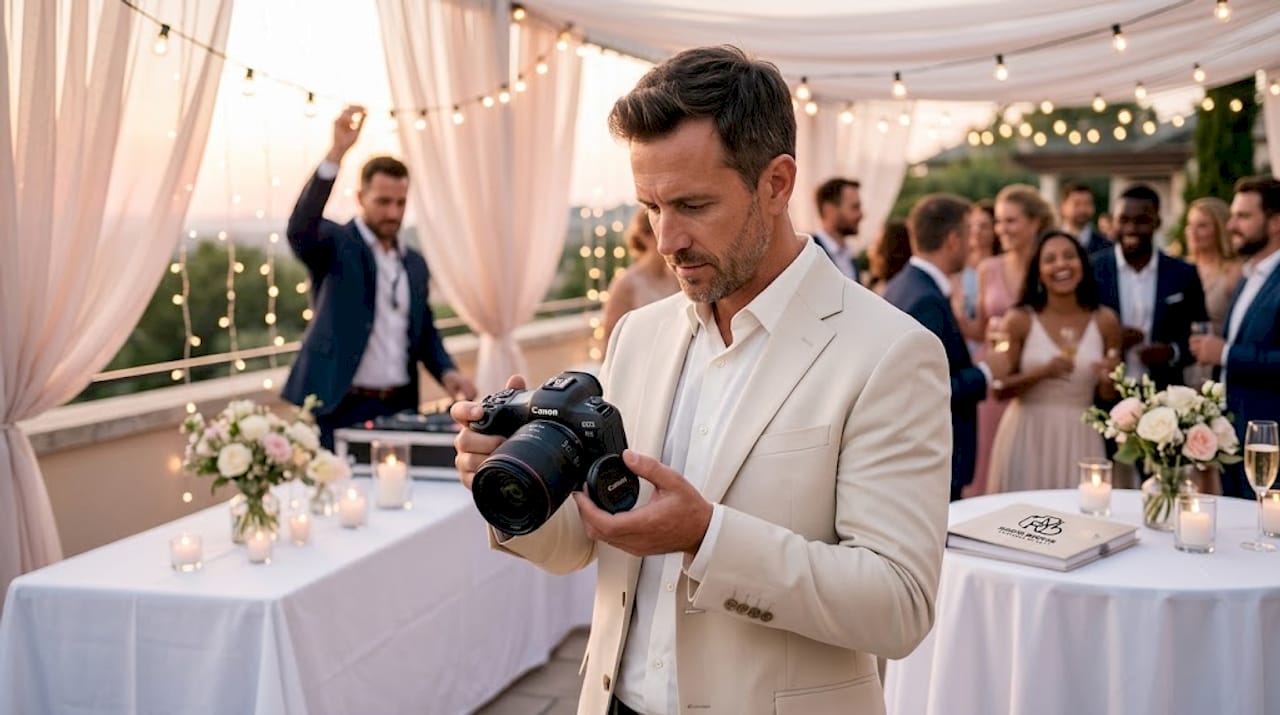
Pairing great photography with interactive event experiences creates a complete visual ecosystem at your event. And if you are planning a larger corporate event, having a photographer who is comfortable managing all these challenges is a genuine necessity, not a luxury.
How to evaluate dynamic event photography for your San Antonio event
After understanding the mechanics and challenges, let’s break down how to choose the right dynamic coverage for your specific celebration.
The honest truth is that no widely accepted published benchmark exists specifically for dynamic event photography as a labeled category. There is no standard scoring system or conversion rate to reference. Performance is judged through deliverables and client usage, including social engagement, press reuse, marketing value, and timely delivery, which vary significantly by event type.
That means your evaluation needs to be hands-on and specific. Here is a practical process:
- Review full galleries, not highlight reels: Ask to see complete galleries from similar events, not just the ten best shots. Full galleries reveal how the photographer handles slow moments, transitions, and less-than-ideal conditions.
- Ask about their approach to transitions: Ask photographers specifically how they cover transitions, what mix of candid versus directed shots they deliver, and how they handle lighting challenges and quick schedule changes.
- Check their communication style: Do they ask for a run-of-show? Do they offer a pre-event consultation? These behaviors signal a photographer who operates proactively rather than reactively.
- Read testimonials for specific details: Generic five-star reviews mean less than testimonials that mention specific moments the photographer captured or the smoothness of the experience.
- Discuss deliverable formats: For corporate events, ask whether images are delivered in formats suitable for press releases, social media, and internal branding. For weddings, discuss album options and digital access timelines.
When you elevate corporate events with thoughtful photography planning, the return on investment is visible in every piece of content your brand produces afterward. The gallery becomes a marketing asset, not just a memory.
Pro Tip: Request a short video call with your photographer candidate before signing any agreement. In fifteen minutes, you can assess whether they understand event flow, ask smart questions, and communicate in a way that makes you feel confident.
Dynamic event photography: practical wisdom and what most guides miss
Having covered evaluation strategies, let’s share the editorial wisdom gained from real-world San Antonio events and years of experience watching beautiful celebrations come together.
Here is the uncomfortable truth the industry rarely admits: “dynamic” is a term that gets overused as a marketing buzzword. Many photographers promise dynamic coverage because it sounds exciting, but deliver galleries heavy on motion blur and stylized action shots that are beautiful to look at yet genuinely hard to use for anything practical.
As we have seen consistently, “dynamic” can be interpreted as either more energetic, motion-focused visuals or as a more actively managed coverage flow. The safer and more valuable expectation for clients is the coverage-flow version. This means anticipation plus candid storytelling plus reliable directed coverage, because that interpretation is consistently described across authoritative event photography guidance and consistently delivers useful, versatile galleries.
What does that mean for you as an event host? It means you should prioritize photographers who demonstrate understanding of event flow over photographers who simply show impressive visual style. A stunning portfolio full of fast motion shots tells you about their aesthetic. A conversation about how they use the run-of-show document tells you about their professionalism.
We have seen firsthand how over-focusing on “motion” leads to missed moments and galleries that look exciting but feel incomplete. The first dance might be beautifully blurred and artistic, but if the emotional exchange between the couple is missed because the photographer was chasing movement, that is a loss that cannot be corrected in post-production.
The best dynamic coverage feels effortless because the photographer was invisible and prepared. Our advice: look for creative party photo tips that emphasize storytelling and preparation, and let that philosophy guide your photographer selection. When your gallery tells the full story of your event, from the quiet pre-ceremony moments to the final dance, that is when you know your photographer truly understood the assignment.
Enhance your San Antonio event with innovative dynamic photography
After understanding both the mechanics and the real-world wisdom behind dynamic event photography, it is time to take that knowledge and put it to work for your celebration.

At RMD Photo Booths, we are passionate about creating experiences that make your San Antonio wedding or corporate event truly shine from every angle. Our personalized photo booth experiences are designed to complement dynamic photography coverage perfectly, giving your guests an interactive, memory-making corner that generates genuine candid energy all night long. From 360-degree booths to AI-powered portrait stations, every option we offer is built to spark joy and create those “wow” moments worth treasuring forever. Ready to bring it all together? Book your experience today and discover how event success photography and our innovative photo booths can work hand in hand to capture every beautiful moment of your celebration.
Frequently asked questions
Is dynamic event photography more expensive than traditional coverage?
Pricing varies by photographer and market, but dynamic styles may cost more due to the added preparation, event flow research, adaptability demands, and typically faster turnaround expectations compared to traditional posed coverage.
What should I ask my photographer to ensure dynamic coverage?
Ask about their specific approach to anticipating moments, how they handle lighting challenges and quick schedule changes, and what mix of candid versus directed shots they typically deliver for similar events.
Is there an industry benchmark for dynamic event photography quality?
No standard benchmark exists for this category. Quality is judged by deliverables and how clients actually use the images, including social media performance, press reuse, and overall satisfaction with the final gallery.
How does dynamic coverage work for weddings vs. corporate events?
Both event types benefit from dynamic coverage, though the balance shifts. Weddings and corporate events typically use a mix of candid photojournalistic sequences and directed essentials, with weddings leaning toward emotional storytelling and corporate events leaning toward professional documentation and branding utility.