
TL;DR:
- Deliberate corporate event engagement strategies transform passive attendance into active participation, enhancing networking and ROI.
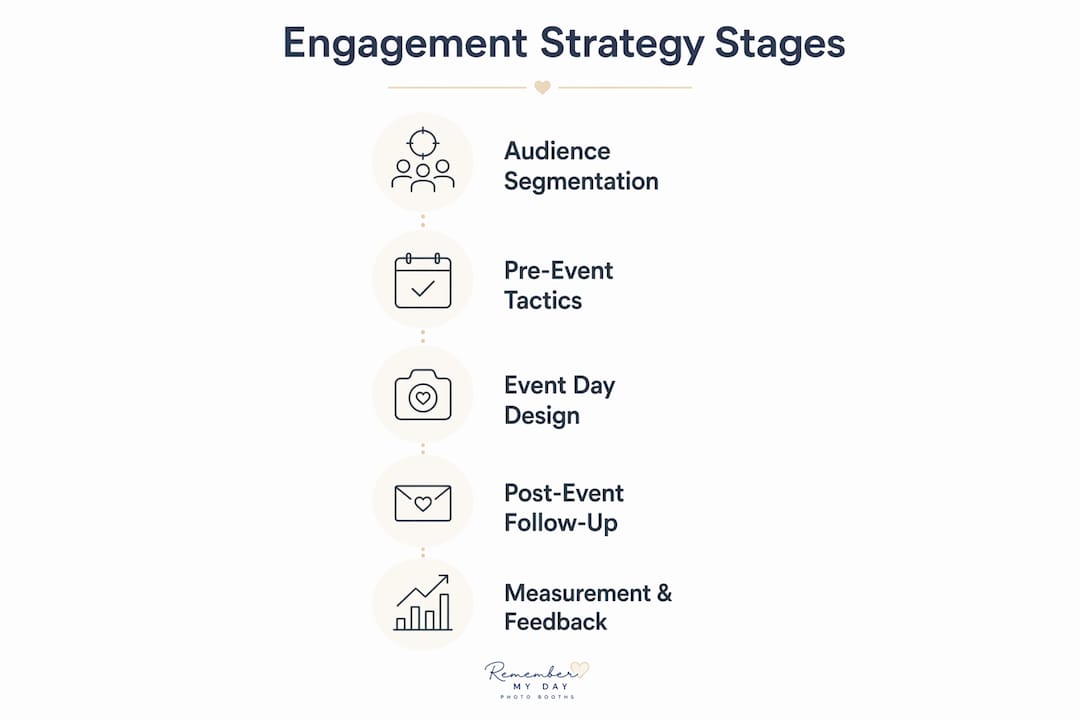
- Effective planning involves audience segmentation, pre-event promotion, on-site activity segmentation, and rapid post-event follow-up to sustain momentum.
Corporate event engagement strategies are deliberate plans designed to transform passive attendance into active participation, directly improving networking outcomes, attendee retention, and measurable event ROI. This corporate event engagement strategies guide covers every phase of your event, from audience analysis six to eight weeks out through post-event follow-up within 24 hours. You will find event engagement techniques grounded in 2026 research, expert insights from practitioners like Jake Albers, and real examples of what separates a forgettable conference from one attendees talk about for months. The core principle is simple: engagement is not a feature you add to an event. It is the architecture of the event itself.

What are corporate event engagement strategies and why do they matter?
Corporate event engagement strategies are structured, intentional plans that guide how attendees interact with content, each other, and your brand throughout every phase of an event. The industry term for this discipline is attendee engagement design, and it covers pre-event communications, on-site experience architecture, and post-event follow-up. Planners who treat engagement as an afterthought consistently see lower session attendance, weaker networking outcomes, and poor post-event advocacy.
The business case is clear. Registration confirmation emails achieve over 80% open rates, and embedding a single low-friction action in that email generates 3 to 5 times higher advocacy lift compared to emails with no embedded action. That one data point reframes how you should think about every touchpoint in your event communication plan. Each message is an engagement opportunity, not just a logistical update.
Shareable artifacts such as photo booths, branded video clips, and personalized keepsakes generate higher ROI than passive tools like polls or surveys because they extend event impact beyond the venue walls. Attendees who leave with something tangible to share become organic advocates. That is the foundation of corporate event success strategies that actually compound over time.
How to understand and segment your event audience for tailored engagement
Audience segmentation is the single most underused event engagement technique in corporate planning. Most planners design one experience for everyone and wonder why engagement feels flat. Tailoring content tracks and activations around audience segments defined by job role, past attendance behavior, and session interests increases both relevancy and participant satisfaction.
Start by pulling data you already have. Registration forms, past event attendance records, LinkedIn profiles, and pre-event surveys all tell you who is in the room and what they care about. A VP of Sales attending your annual summit has different motivations than a junior marketing coordinator. Designing the same breakout session for both of them is a missed opportunity.
Jake Albers, a recognized voice in event experience design, advocates for revolving the entire event experience around the audience’s “why.” That means asking: why is this person here, what do they hope to gain, and what would make them feel the investment of their time was worth it? When you answer those questions by segment, you stop designing events and start designing experiences.
Practical segmentation outputs include:
- Tailored content tracks organized by seniority, function, or interest area
- Curated networking sessions that match attendees with relevant peers rather than open-floor mingling
- Personalized pre-event communications that reference the specific sessions or topics most relevant to each segment
- Differentiated calls to action in follow-up emails based on what each group actually attended
Pro Tip: Use your registration form to ask one optional question about the attendee’s primary goal for the event. Even a simple multiple-choice answer gives you segmentation data that transforms your communication strategy.
The biggest pitfall in engagement design is building generic activations that feel relevant to no one in particular. Specificity is what creates the feeling of being seen, and that feeling drives authentic participation.
What pre-event engagement tactics actually boost attendance?
Pre-event engagement is where most planners leave significant attendance on the table. Starting promotions and community channels six to eight weeks before your event and pre-selecting sessions two to three weeks out produces 15 to 25% higher session show-up rates. That gap between registered and actually present is one of the most costly problems in corporate event planning, and it is largely preventable.
Here is a sequenced approach to pre-event engagement that works:
- Six to eight weeks out: Launch teaser content. Share speaker announcements, behind-the-scenes preparation clips, and agenda previews across email and social channels. Open a community channel (Slack, LinkedIn Event, or a dedicated app) where registered attendees can connect before the event.
- Four to six weeks out: Send a personalized session selection email. Give attendees the ability to pre-select sessions based on their interests. This creates psychological commitment and gives you attendance data to plan room capacity.
- Two to three weeks out: Activate social sharing. Branded share cards and countdown posts give attendees a reason to talk about the event publicly. Share requests after keynote announcements convert at 31.9%, making this one of the highest-performing organic advocacy tactics available.
- One week out: Send a practical preparation email. Include logistics, agenda highlights, and one specific action to take before arriving, such as completing a short poll or submitting a question for a speaker panel.
- Day before: Send a short, energetic reminder with a single focus. No walls of text. Just what they need to show up ready and excited.
The confirmation email deserves special attention. Most planners treat it as a receipt. It is actually your highest-open-rate communication of the entire event cycle. Embed one easy action, such as joining the event community, sharing a branded graphic, or answering a one-question poll. That single embedded action is where your advocacy lift multiplies.
How do you design an event day for sustained energy and participation?
Event day design is where corporate event participation tips get most specific and most consequential. The structure of your agenda determines whether energy builds or collapses by mid-afternoon. Segmenting sessions into 20 to 30 minute blocks with format or environment resets between them is the most effective structural defense against engagement drop-off.
Here is a comparison of two common agenda approaches and their engagement outcomes:
| Agenda format | Session length | Format variety | Typical engagement outcome |
|---|---|---|---|
| Traditional linear | 60 to 90 minutes | Low (keynote only) | Significant drop-off after first hour |
| Segmented reset model | 20 to 30 minutes | High (keynote, panel, breakout, activity) | Sustained attention and higher participation |
The segmented reset model works because it respects how human attention actually functions. Blending keynotes, panels, breakout discussions, and hands-on activities prevents the fatigue that kills afternoon sessions at most corporate events. You can explore a corporate event entertainment checklist for specific format ideas that fit different event sizes and goals.
One of the most important principles in on-site engagement design is the difference between collective and personal participation. Framing activities as group collaboration rather than individual performance lowers social barriers and encourages more authentic interaction. Asking a room of 200 people to share their opinion publicly is performative. Asking them to discuss in pairs and then report back as a group is collective. The second approach gets real answers.
Photography and video teams are an underutilized engagement asset. Briefing your content capture team on your engagement objectives before the event ensures they capture the most interactive, high-energy moments rather than just speaker headshots. Those images and clips become the shareable artifacts that extend your event’s impact for weeks after the day itself.
Pro Tip: Place your highest-energy activity or most anticipated speaker right after the post-lunch break. That slot is where attention is most at risk, and a well-placed “wow” moment resets the room completely.
Networking spaces and planned entertainment serve as energy resets between content blocks. A 360° photo booth, a team challenge like an escape room format from providers such as CodeBusters, or a structured networking game all give attendees a reason to move, laugh, and connect. Those moments of joy are what people remember and what they share.
What post-event strategies extend engagement beyond the event itself?
Post-event follow-up is where most corporate event success strategies either pay off or evaporate. The window is short and the actions are specific. Sending recap emails within 24 hours and collecting testimonials within 72 hours are the two highest-leverage post-event actions available to planners.
A strong post-event engagement plan includes:
- 24-hour recap email: Summarize key insights, share session recordings or slides, and include one clear call to action such as completing a feedback survey or joining a follow-up community.
- Personalized follow-ups: Reference the specific sessions each attendee joined. A generic “thanks for coming” email signals that you did not pay attention. A message that says “we noticed you attended the leadership panel” signals that you did.
- Testimonial collection within 72 hours: Attendee enthusiasm peaks in the first three days after an event. That is when you ask for quotes, video testimonials, or LinkedIn recommendations. Waiting a week cuts your response rate significantly.
- Closing the loop: Show attendees how their input influenced decisions or shaped future plans. This transforms a one-time event into an ongoing conversation and builds the kind of loyalty that fills seats at your next event.
- Shareable content distribution: Send branded photos, highlight reels, and session clips that attendees can post to their own networks. Every share extends your event’s reach to audiences you did not pay to reach.
The photography and video content captured on event day becomes your most powerful post-event engagement tool. Attendees who see themselves in a highlight reel share it. That organic sharing is the post-event equivalent of the pre-event advocacy lift you built through confirmation emails.
Key takeaways
Effective corporate event engagement requires deliberate design at every phase, from audience segmentation weeks before the event through personalized follow-up within 24 hours of closing.
| Point | Details |
|---|---|
| Start engagement early | Launch pre-event promotions 6 to 8 weeks out to achieve 15 to 25% higher session show-up rates. |
| Segment your audience | Use job role, past behavior, and interests to create tailored content tracks and networking opportunities. |
| Design for collective participation | Frame activities as group collaboration to lower social barriers and generate authentic interaction. |
| Use shareable artifacts | Photo booths, branded clips, and keepsakes extend event impact and drive post-event advocacy. |
| Close the loop fast | Send recap emails within 24 hours and collect testimonials within 72 hours to convert participation into loyalty. |
Why most engagement plans miss the mark (and what we have learned)
After working alongside event planners across hundreds of corporate gatherings, we have seen the same pattern repeat itself. Engagement gets treated as a checklist item rather than a design principle. Someone adds a poll to a session or drops a photo booth in the corner and calls it done. The result is an event that feels fine but generates no lasting momentum.
The planners who get it right do one thing differently: they ask “how will this feel to attend?” before they ask “what activities should we include?” That shift in framing changes everything. It is the difference between a breakout session that sparks real conversation and one that people leave early to check their phones.
We also see planners chronically underestimate the confirmation email. It lands in an inbox when excitement is at its peak, and most of the time it says nothing more than “you are registered, here are the details.” That is a missed opportunity to build community, generate shares, and set the tone for the entire experience.
The other consistent gap is post-event follow-up. Planners pour enormous energy into the event day and then go quiet. Attendees forget. Momentum dies. The 24 to 72 hour window after your event is when relationships are still warm and impressions are still fresh. Use it deliberately, and you will find that your events start building on each other rather than starting from zero every time.
— RMD
How Rmdphotobooths helps you create unforgettable engagement moments
One of the most effective ways to generate shareable artifacts and spark natural attendee interaction at your next corporate event is through a professionally managed photo booth experience.

At Rmdphotobooths, we have helped corporate event planners across San Antonio create those genuine “wow” moments that attendees treasure and share long after the event ends. From traditional photo booths to 360° experiences, glam booths, and AI-powered watercolor portraits, our customizable photo experiences are designed to fit your brand, your audience, and your engagement goals. Every print and digital share becomes a branded artifact that extends your event’s reach organically. Booking is simple through our online platform, and our team handles setup, operation, and breakdown so you can focus on your attendees. Reserve your booth and give your next corporate event an engagement centerpiece that people will genuinely love.
FAQ
What is a corporate event engagement strategy?
A corporate event engagement strategy is a deliberate plan to maximize attendee participation and interaction across pre-event, on-site, and post-event phases. It includes tactics like audience segmentation, structured agenda design, shareable artifact creation, and personalized follow-up communications.
How far in advance should you plan event engagement?
Start engagement planning six to eight weeks before your event. Pre-event promotions launched in this window, combined with session pre-selection two to three weeks out, produce 15 to 25% higher session show-up rates.
What are the best on-site event engagement techniques?
The most effective on-site techniques include segmenting sessions into 20 to 30 minute blocks with format resets, designing collective participation activities rather than individual ones, and placing high-energy experiences like photo booths or interactive challenges at strategic points in the agenda.
How do you measure corporate event engagement success?
Measure engagement through session attendance rates, social share volume, post-event survey completion rates, and testimonial collection speed. Shareable artifacts like branded photos and video clips also provide trackable organic reach data after the event.
What should a post-event follow-up email include?
A strong post-event email sent within 24 hours should include a recap of key insights, links to session recordings or slides, a personalized reference to sessions the attendee joined, and one clear call to action such as a feedback survey or community invitation.