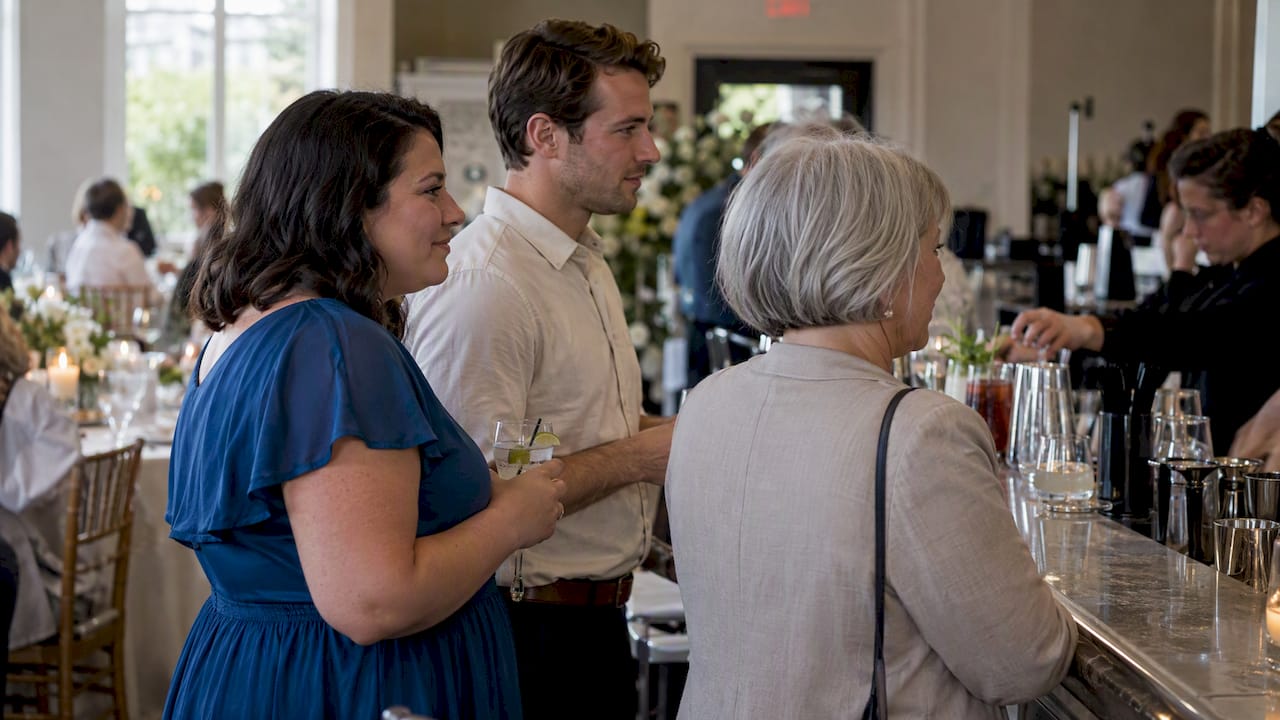
An open bar gives guests the warmest welcome but costs you more, while a cash bar protects your budget at the risk of feeling less hospitable. If you are working with a tight budget, a limited or consumption bar is usually the smartest default. If your celebration is formal or upscale, an open bar fits the tone. Ticketed bars sit comfortably in the middle.
TL;DR:
- Open bar estimates range from $45–$90 per guest, while standard offerings run about $25–$40; compare service scope, hours, and inclusions before accepting quotes.
- A limited menu of beer, wine, and one or two signature cocktails can preserve a hosted feel while reducing ingredient costs.
- For consumption billing, set a dollar cap and a stop point in writing, because a lively crowd can push the final bill beyond budget.
- Ticketed bars cap host spending by giving each guest two or three tickets, with extra drinks available for purchase and payment details shared beforehand.
Table of Contents
- Which bar type matches your priorities?
- What do hosts actually pay for a bar?
- How do open and cash bars compare beyond price?
- What are the best middle-ground bar options?
- How do you tell guests about the bar without awkwardness?
- What works best in practice?
- Can a photo booth delight guests without an open bar?
- FAQ
- Sources
Which bar type matches your priorities?
Think of the four main models as answers to three questions: how generous do you want to feel, how much can you spend, and how formal is the day?
- Open bar: best for formal or upscale receptions. The host prepays everything, so guests never reach for a wallet. Highest cost, warmest guest experience.
- Limited or hosted bar: best for couples who want generosity with guardrails. You cover a short menu, such as beer, wine and one signature cocktail. Moderate cost, still feels gracious.
- Cash bar: best for casual celebrations and tight budgets. Guests pay for their own drinks. Lowest host cost, but guests may read it as less welcoming.
- Consumption bar: best for hosts who want to pay only for what is poured. Cost follows actual drinking, which makes it flexible and a little unpredictable.
- Ticketed bar: best for hosts who want a firm spending cap. Each guest gets a set number of drink tickets, and extras are paid for. Predictable cost, mildly structured feel.
A quick rule of thumb: if your budget cannot stretch to a full open bar, a limited bar almost always beats a cash bar for guest goodwill.
What do hosts actually pay for a bar?
Costs vary widely, so treat every figure as a range rather than a promise. The Knot reports that open-bar costs can average roughly $45–$90 per guest depending on selections and hours. Its open bar cost analysis points to a lower figure for standard offerings, and these two ranges differ because they describe different scopes of service. Look at what each quote includes before you compare.
The Knot’s analysis puts standard open-bar offerings at roughly $25–$40 per person, and notes that limiting drink types or offering signature cocktails can bring the total down.
Here is what moves a quote up or down:
- Liquor selection: premium spirits cost more than house pours, and beer and wine cost less than a full bar.
- Service hours: every extra hour adds drinks, labor and supplies.
- Number of bar stations: more stations mean shorter lines and more bartenders on the clock.
- Labor and gratuity: bartender fees and tips are often listed separately from the drinks.
- Glassware and supplies: ice, mixers, garnishes and rentals can show up as their own line items.
- Insurance and licensing: some venues or vendors charge fees for coverage and permits.
- Region: local pricing and venue rules shift the total.
Consumption billing works differently. Your vendor counts the bottles opened or drinks poured and bills accordingly. That can save money when your guests are light drinkers, but a lively crowd can push the bill past what you planned. Ask for a spending cap or a stop point so the final number holds no surprises.
How do open and cash bars compare beyond price?
Price is only part of the story. Each option changes your lines, your timeline and how guests feel about you as a host.
Open bar
- Pros: a clear hospitality signal, no wallets at the bar, and quicker flow when staffing is right.
- Cons: a bigger budget hit, more risk of overconsumption, and higher labor costs.
Cash bar
- Pros: lower host cost and often lighter drinking overall.
- Cons: longer lines and friction for guests who did not bring a card or cash. Wedding expert Jason Rhee says cash bars shift the relationship between host and guest and can make people feel less welcomed.
The Knot also notes that an open bar offers a hospitable experience while recommending mitigation such as portion control and capped consumption.
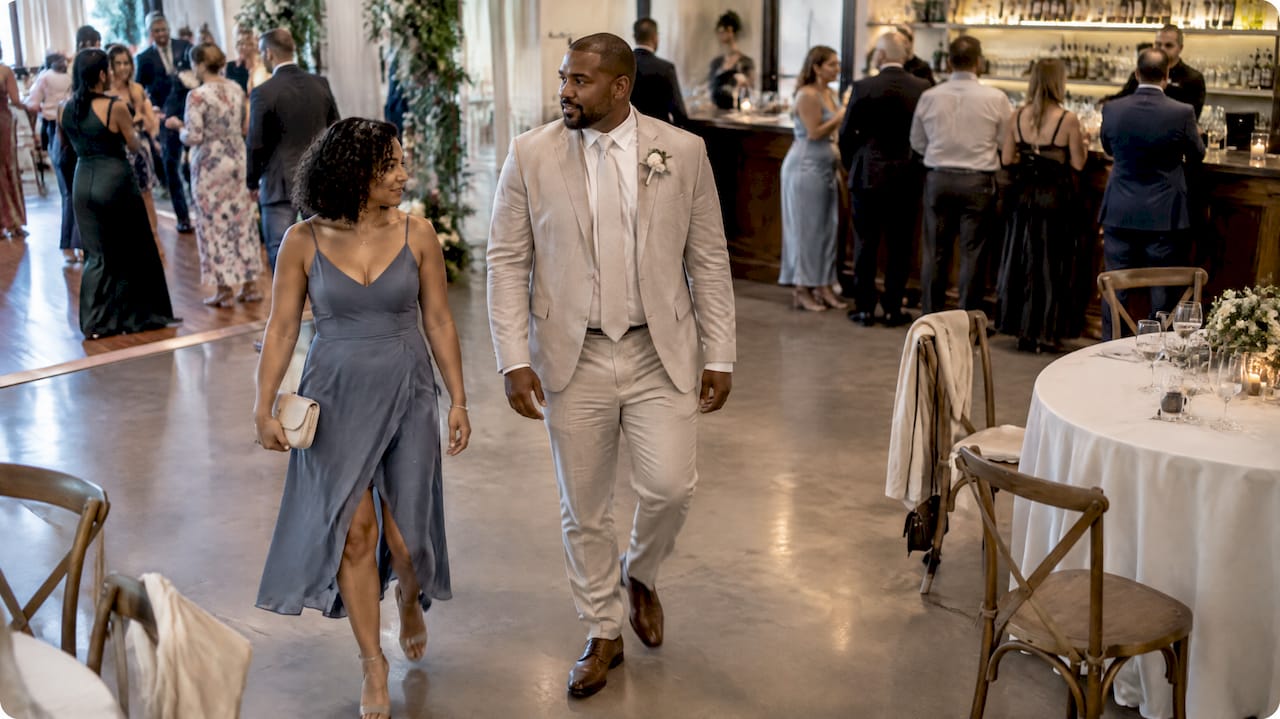
On the operational side, plan staffing with your vendor, since staffing ratios differ by venue. Place bars away from the dance floor entrance so lines do not block foot traffic, and consider a second station for larger crowds. Confirm that your vendor holds the proper licensing for your venue, and agree on a bar cutoff time with your vendor.
Pro Tip: Ask your vendor to open service during cocktail hour and pause it during toasts and dinner. Quieter bars mean fewer lines, less waste and a calmer timeline.
What are the best middle-ground bar options?
Hybrids let you stay generous without writing a blank check. Here is how to set up the three most common ones:
- Limited bar: offer beer, wine and one or two signature cocktails. It suits couples who want a gracious feel on a moderate budget, and it trims cost because you stock fewer ingredients.
- Consumption bar: the vendor tracks pours or opened bottles and bills you afterward. Set a dollar cap and agree on a stop point, so the bar pauses when you hit your limit.
- Ticketed bar: hand each guest two or three drink tickets, then let them buy extras. Place tickets at each table setting or tuck them into welcome gifts so every guest receives them without asking.
Whichever you pick, put the details in writing with your vendor before the big day.
How do you tell guests about the bar without awkwardness?
Guests are happy with any format when they know what to expect. Keep your wording short, warm and neutral:
- Cash bar: “A cash bar will be available during the reception. Cards are accepted.”
- Limited bar: “Beer, wine and our signature cocktails are hosted by us. Other drinks are available for purchase.”
- Ticketed bar: “Each guest will receive two drink tickets. Additional drinks are available at the bar.”
- Placement: post the wording on your wedding website FAQ, in your reception insert and in RSVP notes, and list accepted payment methods.
- Nonalcoholic options: offer a good variety, since NIAAA guidance recommends planning for guests who do not drink and using alcohol calculators to estimate servings and costs.
If someone asks about the bar, answer cheerfully and point them to the FAQ page. A clear, kind reply goes a long way.
What works best in practice?
The compromises that hold up best are beer and wine with a signature cocktail, and a consumption bar with a firm cap. Before you sign, confirm the service hours, the number of bars, the accepted payment types, and the vendor’s insurance and licensing. Those four checks prevent most day-of headaches.
— RMD
Can a photo booth delight guests without an open bar?
When the drink budget is tight, entertainment is a smart place to spend. A photo booth gives guests something to laugh about and a keepsake to take home, and none of it adds to your bar tab. We love seeing a booth line become the happiest corner of a reception.
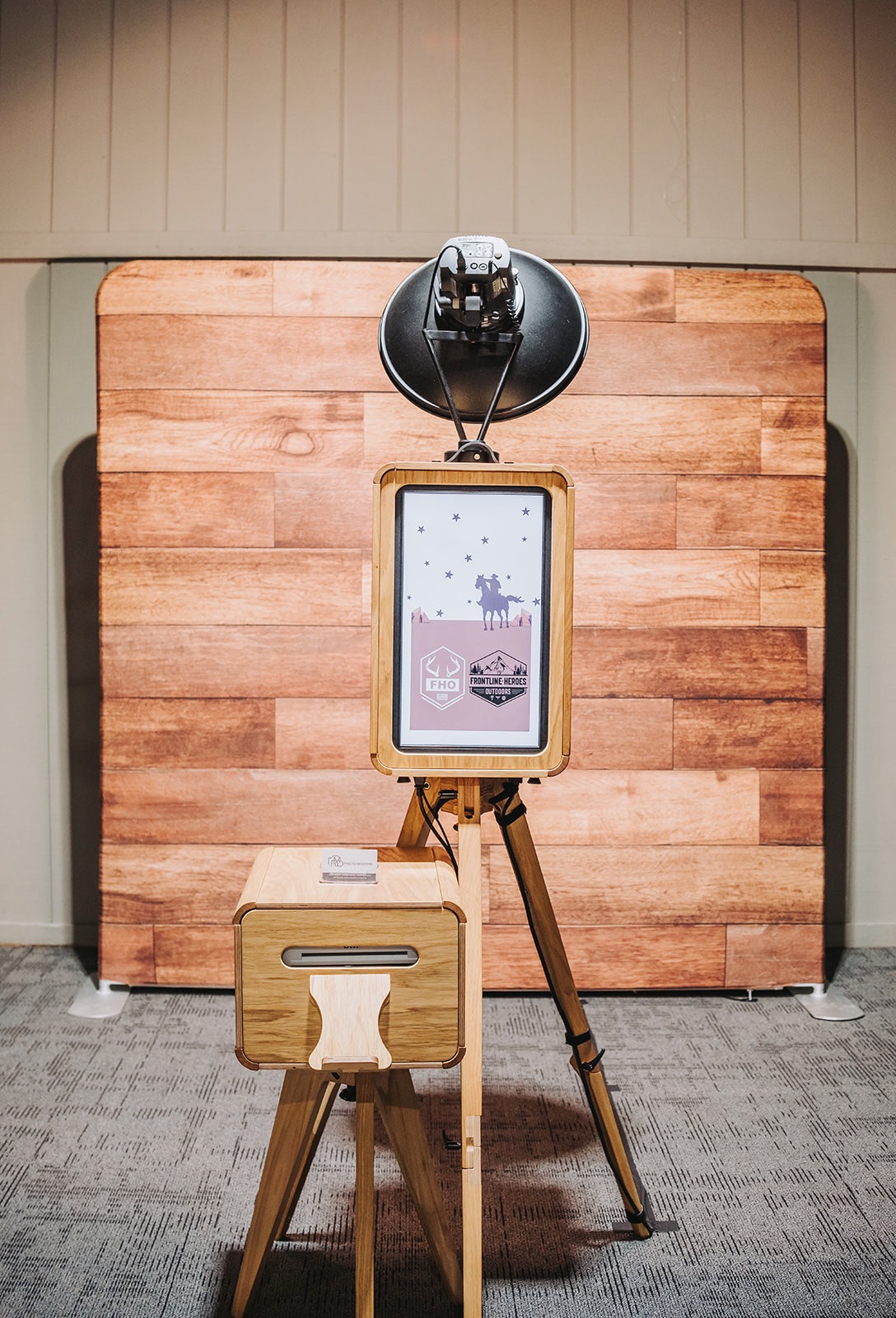
A few favorites for weddings:
- Selfie Booth: compact, quick and easy for guests to jump into, from $625.
- Traditional Booth: the classic strip and prints guests treasure forever, from $900.
- 360 Booth: high-energy video that makes dance-floor moments shine, from $1,295.
Browse every option on our experiences page, or book a quote and tell us about your celebration. For more on what a booth adds to a reception, see our guide to wedding photo booths and guest engagement.
FAQ
How do you tactfully say cash bar?
Keep the wording warm, brief and factual, such as “A cash bar will be available. Cards are accepted.” Place it on your wedding website FAQ and reception insert so guests know before they arrive.
Is it normal to have a cash bar at a wedding?
It is less common than hosted options. The Knot’s data shows about 6% of weddings in its cited study use a cash bar, while 57% of couples chose a full open bar.
What counts as an open bar?
An open bar is prepaid by the host, so guests drink without paying. It may cover a full liquor menu or a limited list such as beer, wine and signature cocktails.
Can I mix open and cash bar options?
Yes. A limited bar, a consumption bar or drink tickets let you host a set menu or amount and let guests pay for extras. Many hosts find this balances generosity and budget.
Recommended
- Wedding photo booths: 60% more guest engagement in 2026
- 360 Photo Booth vs Traditional Booth: Check Space and Cost
- Step by Step Wedding Photo Booth Setup Guide
This article was created with the assistance of automated AI content tools using publicly available information and may contain errors, omissions, or outdated information. Content is provided for general informational purposes only and does not represent an endorsement, criticism, or official statement regarding any person, business, product, or service mentioned. Business details, pricing, services, availability, and other information may change over time. If you believe any information is inac