TL;DR:
- Choosing the right booth print format enhances guest experience and reinforces event branding.
- Common options include 2×6 strips for nostalgia, 4×6 postcards for branding, and square prints for social sharing.
Types of booth print formats are the various sizes and layout styles of printed photos produced by event photo booths, each designed to maximize guest engagement and reinforce event branding. Choosing the right print format is one of the most practical decisions you will make as an event planner. The wrong size leaves guests with a keepsake that feels forgettable. The right one becomes something they treasure forever. From classic 2×6 strips to postcard-style 4×6 prints, the format you select shapes everything from template design to printer media logistics. This guide covers every major option so you can match the format to your event with confidence.
1. What are the most common types of booth print formats?
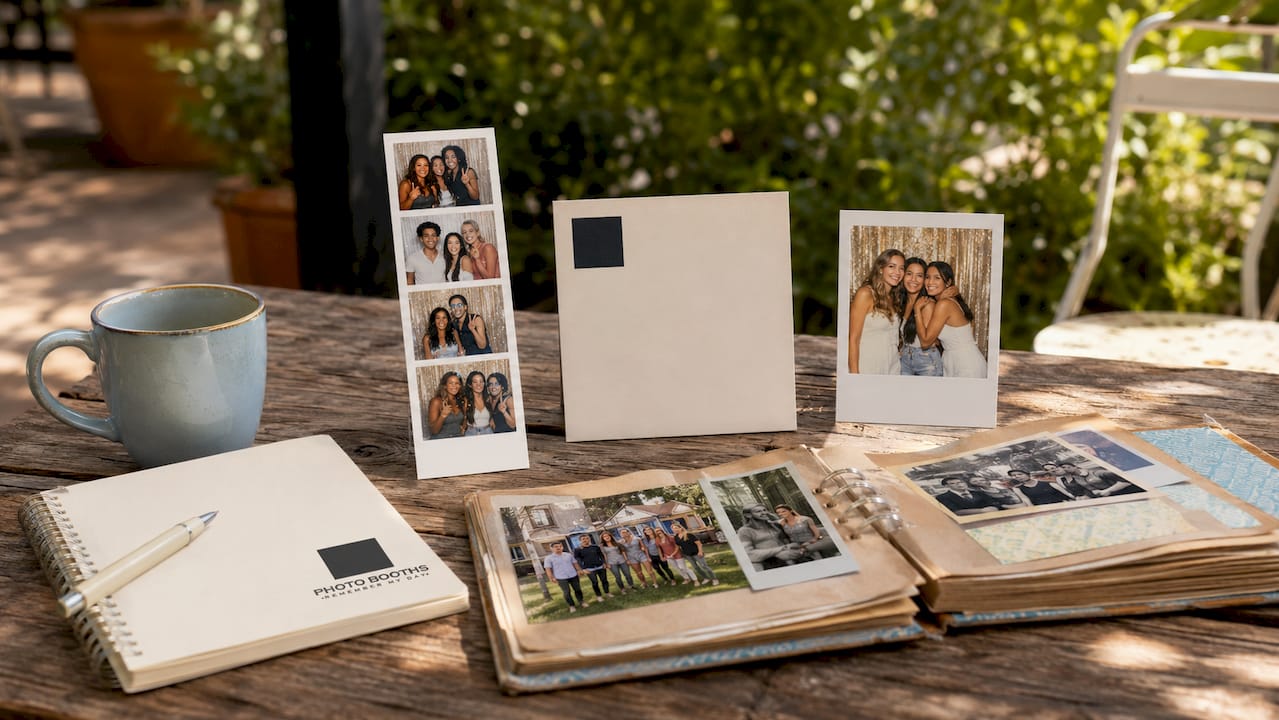
The photo booth industry uses a handful of standard print formats, each with a distinct look, feel, and purpose. Understanding the differences between them helps you pick the right fit before you ever book a booth.
2×6 photo strips are the most recognizable format in photo booth history. They hold 3 or 4 photos stacked vertically, fit easily in a wallet or purse, and carry a nostalgic charm that guests love. The narrow layout leaves limited space for branding, but a well-placed logo and event date at the bottom still make a strong impression.
4×6 postcard prints give you significantly more room to work with. 4×6 prints offer a larger layout area for logos, event names, and messaging than 2×6 strips. That extra space makes them the go-to choice for corporate events where brand visibility matters most.
3×4 polaroid-style prints deliver a square-adjacent look with a white border at the bottom for handwritten notes. Guests at weddings and birthday parties love the retro feel. 4×4 square prints take that idea further, producing a perfectly balanced image that looks great on Instagram. Larger formats like 4×12 and 8×16 are less common but work well for premium keepsake experiences at galas and luxury events.
2. How template design shapes your print format choice
Template design is not just a visual decision. It directly affects how readable, polished, and brand-consistent your prints look in guests’ hands.
Photo booth strip templates typically include logo placement, an event hashtag or date, and orientation choices that work vertically or horizontally. Every element on the template competes for space, so layout discipline matters. A cluttered template on a 2×6 strip reads as noise, not branding.
The choice between 3-photo and 4-photo strips has a real impact on design quality. A 3-photo strip layout feels cleaner and less crowded than a 4-photo version, giving each image more breathing room and making typography easier to read. Four-photo strips pack in more memories but leave less margin for error in alignment and cropping.
Correct template dimensions are critical to avoid misalignment and pixelation. Designing at low resolution or sizing by eye risks print errors and poor text readability. For a standard 2×6 strip, 600×1800 pixels at 300 DPI is the accepted production standard.
Key design factors to get right on any booth print template:
- Photo count: 3-photo strips allow more generous spacing; 4-photo strips maximize moments captured
- Branding zone: Place logos and event names in a dedicated area away from photo crops
- Font size: Minimum 12pt equivalent at print resolution for readable text on small formats
- Margins: Leave at least 0.125 inches of safe zone around all edges
- Orientation: Vertical strips suit 2×6; horizontal layouts work better on 4×6 postcards
Pro Tip: On split-cut 2×6 strips, the printer cuts a single 4×6 sheet down the center. Any logo or text placed too close to the cut line will be sliced in half. Always design with a center safe zone of at least 0.25 inches on each side of the split.
3. Print media and production technology compared
The physical media and printer technology you use determine how fast prints come out, how long they last, and how good they look under event lighting.
Dye-sublimation printing is the industry standard for photo booth output. The DNP DS-RX1HS prints 4×6 photos in approximately 12.4 seconds, enabling fast throughput at busy events. That speed matters when you have a line of guests waiting. Dye-sub prints are also dry to the touch immediately, so guests never smear their keepsake walking away from the booth.
2×6 strips are produced using a split-cut workflow on standard 4×6 media. Branding on split-cut strips must account for the cut line to prevent logos from being sliced. This is a production detail that catches many first-time planners off guard.
| Feature | Glossy finish | Matte finish |
|---|---|---|
| Appearance | Vibrant, high-contrast colors | Soft, even tones |
| Glare under event lighting | High | Low |
| Fingerprint visibility | Noticeable | Minimal |
| Best use case | Indoor, low-light events | Bright venues, outdoor events |
| Feel in hand | Smooth, reflective | Velvety, premium |
Pro Tip: Choose matte finish for events held in brightly lit ballrooms or outdoor daytime settings. Glossy prints look stunning in photos but can wash out under direct overhead lighting, which is the exact environment most event venues use.
4. Large-format printing for booths and backdrop selection
Large-format printing for booths goes beyond the print in a guest’s hand. The backdrop behind your photo booth is part of the print experience because it appears in every single photo.
Step-and-repeat backdrops come in standard sizes scaled to group photo capacity. An 8×12 fits up to 10 people, an 8×10 fits 7–8, an 8×8 fits 4–5, and an 8×5 fits 2–3 guests. Choosing the right width keeps faces filling the frame and avoids the awkward empty-corner problem that makes group shots look amateurish.
Tension fabric SEG displays provide wrinkle-resistant, seamless backdrops that hold up to handling and lighting at busy events. SEG stands for silicone edge graphics, a system where fabric is stretched over a frame using a silicone strip. The result is a perfectly flat, photo-ready surface with no visible seams or creases.
| Backdrop size | Guests it fits | Best event type |
|---|---|---|
| 8×5 ft | 2–3 people | Intimate parties, couples |
| 8×8 ft | 4–5 people | Weddings, small corporate events |
| 8×10 ft | 7–8 people | Mid-size galas, brand activations |
| 8×12 ft | Up to 10 people | Large corporate events, trade shows |
Matte fabric backdrops reduce glare under bright event lighting, improving photo quality on event floors. This directly affects how good the prints look because a washed-out backdrop ruins even a perfectly exposed photo. Matte fabric is the smarter choice for most indoor venues.
Guests often photograph their prints to share on social media, which means your backdrop appears in those secondary shares too. A well-sized, wrinkle-free backdrop multiplies your event’s visual reach far beyond the booth itself.
5. Matching print formats to event types
The right print format depends on the event’s formality, branding goals, and the kind of keepsake guests will actually use. Choosing between 2×6 and 4×6 prints comes down to event formality, branding needs, and guest keepsake preferences.
Weddings are the natural home of the 2×6 strip. Guests love the nostalgic feel, and couples often use them as table favors or guest book inserts. The compact size is easy to slip into a pocket or purse at the end of the night.
Corporate events call for 4×6 postcard prints. The larger format gives your design team room to place a company logo, event name, and sponsor messaging without cramping the photos. Custom photo booth templates significantly enhance brand recall and guest engagement at corporate events. That brand visibility is the whole point of having a booth at a conference or product launch.
Birthday parties and social celebrations work well with polaroid-style 3×4 or 4×4 square prints. These formats feel current and photograph beautifully for social sharing. For premium events like galas or luxury brand activations, larger formats like 4×12 or 8×16 create a wow moment that guests genuinely treasure.
6. How to choose the right booth display print option for your event
Selecting the right booth display print option is a practical process, not a guessing game. Three questions drive the decision: What will guests do with the print? How much branding do you need? How fast does the booth need to run?
If guests will keep prints as personal mementos, the 2×6 strip wins on portability and nostalgia. If the print doubles as a branded takeaway or sponsor deliverable, the 4×6 postcard format gives you the real estate to make that work. For events where throughput matters, dye-sublimation on 4×6 media with a split-cut workflow is the fastest production path.
You should also think about the personalized booth template experience from the guest’s perspective. A print that looks polished, fits the event’s visual identity, and feels like a real keepsake gets kept. A generic, low-resolution strip gets left on the table. The format is the foundation, but the template design is what makes it memorable.
Key takeaways
The most effective booth print format is the one that matches your event’s branding goals, guest expectations, and production speed requirements.
| Point | Details |
|---|---|
| 2×6 strips suit social events | Compact, nostalgic, and portable, making them ideal for weddings and parties. |
| 4×6 postcards maximize branding | Larger layout area fits logos, event names, and sponsor messaging clearly. |
| Template resolution matters | Design at 600×1800 px minimum for 2×6 strips to avoid pixelation and misalignment. |
| Backdrop size affects print quality | Match backdrop width to group size so faces fill the frame in every shot. |
| Dye-sub printing drives throughput | The DNP DS-RX1HS produces a 4×6 print in 12.4 seconds, keeping event lines moving. |
What we have learned from thousands of events
Our honest take on print format decisions
After working hundreds of events across San Antonio, we have seen one pattern repeat itself: planners overthink the format and underthink the template. They spend time debating 2×6 versus 4×6 and then hand off a low-resolution logo that looks blurry on the final print. The format is a 30-second decision once you know your event type. The template design deserves the real attention.
We have also noticed that guests at corporate events almost always prefer the 4×6 postcard. They set it on their desk at work. It becomes a conversation piece. A 2×6 strip at a corporate event feels like a missed opportunity to put your brand in front of people every single day.
On the backdrop side, we have seen too many planners choose an 8×8 for a 150-person event and then wonder why group shots look cramped. Sizing up to an 8×10 or 8×12 costs very little extra and makes every photo look intentional. The backdrop is not a background. It is part of the print.
One more thing: matte finish almost always outperforms glossy at the events we run. San Antonio venues tend to use bright overhead lighting, and glossy prints under those lights look washed out in photos. Guests notice. Matte feels premium and photographs better. We default to matte unless a client specifically requests glossy for a low-light setting.
The combination of the right format, a well-designed template, and a properly sized matte backdrop is what turns a photo booth into a genuine memory-maker. Each piece supports the others.
— RMD
Bring your event to life with Rmdphotobooths
Ready to create prints your guests will treasure forever? Rmdphotobooths offers a full range of photo booth experiences built around your event’s unique vision, from classic 2×6 strip booths to glam booths and 360° experiences. We handle template design, print format selection, and production logistics so you can focus on your guests.

Every booth we bring to your event comes with custom graphics tailored to your branding, high-speed dye-sublimation printing, and a team that has earned over 1,000 five-star reviews across San Antonio. Whether you are planning a wedding, a corporate activation, or a milestone celebration, we will help you choose the right format and make every print count. Book your booth today and let us bring your vision to life.
FAQ
What is the most popular photo booth print format?
The 2×6 photo strip is the most widely used format at social events like weddings and birthday parties. The 4×6 postcard format is the top choice for corporate events where branding space matters.
How do I know which print size fits my event?
Choose 2×6 strips for personal keepsakes at social gatherings and 4×6 postcards when you need room for logos and event messaging. The right format depends on event formality, branding goals, and guest preferences.
What resolution should a photo booth template be?
A 2×6 strip template should be designed at 600×1800 pixels at 300 DPI. Lower resolution risks pixelation and unreadable text on the final print.
What backdrop size works best for group photos?
An 8×10 backdrop fits 7–8 guests comfortably, while an 8×12 accommodates up to 10 people. Matching backdrop width to your expected group size keeps faces filling the frame and avoids empty corners.
Does finish type affect print quality at events?
Yes. Matte finish reduces glare under bright venue lighting and shows fewer fingerprints. Glossy finish delivers more vibrant colors but can wash out under direct overhead lights common in most event venues.