TL;DR:
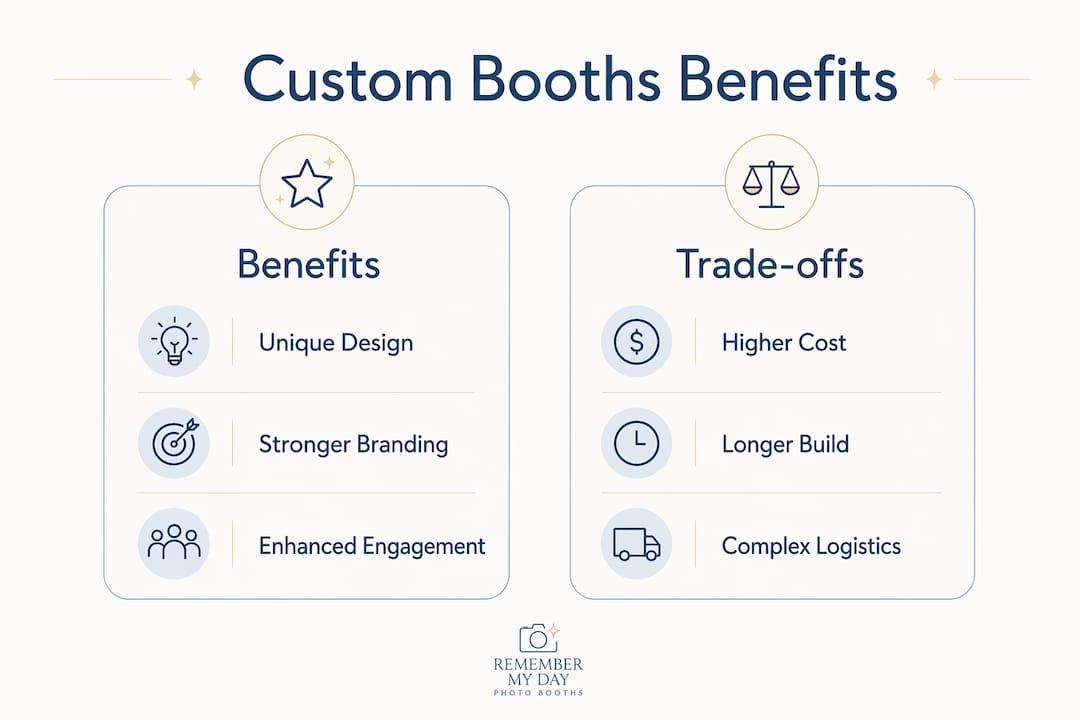
- Custom booths are fully tailored event fixtures that enhance brand impact and guest engagement through unique design, layout, and technology. They require longer lead times and higher costs but provide better reuse potential and immersive experiences, especially for recurring events. Proper layout planning and early timing are essential to maximize the benefits of a custom booth.
Custom booths are bespoke event fixtures designed to reflect your brand, theme, and guest experience goals from the ground up. Unlike standard rental units or modular displays, a custom booth gives you full control over materials, layout, lighting, and interactive features. That control translates directly into results. Industry reports confirm that clients using custom booth designs experience 10–20% more lead generation compared to standard booths. For event hosts and planners who want every guest to leave with a genuine memory, understanding why choose custom booths is the first step toward planning something truly special.
Why choose custom booths over standard and modular options?
Custom booths, also called bespoke exhibit booths or custom exhibit booths in the trade show industry, give you design freedom that standard and modular options simply cannot match. A modular booth uses pre-built components assembled in different configurations. A rental booth is a shared unit with cosmetic changes applied between events. A custom booth is built from scratch around your specific goals.
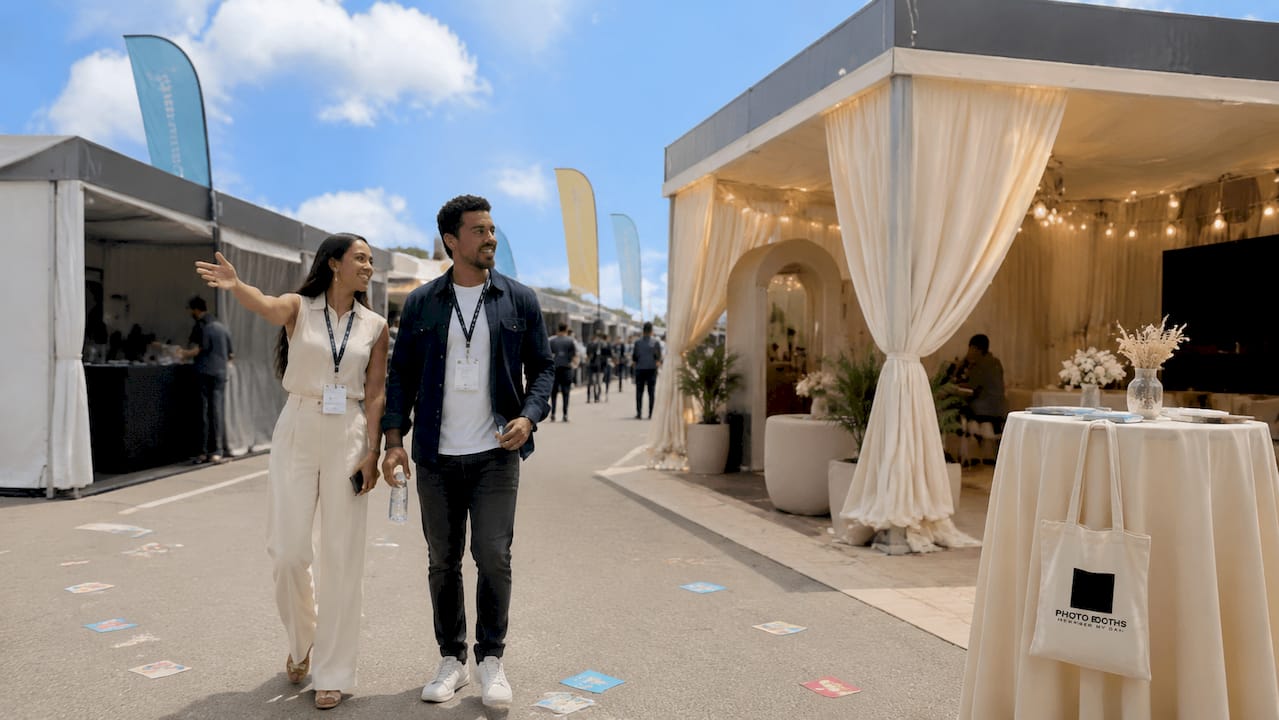
The difference shows up in every detail. Custom builds allow unique architecture, specialty materials, branded lighting rigs, and spatial layouts that guide guests exactly where you want them. Custom exhibits enable control over materials, lighting, and spatial layout to create standout experiences. That level of control is simply not available with modular systems designed for flexibility rather than brand dominance.
The trade-offs are real and worth knowing. Custom booths carry higher upfront costs and longer production timelines. Custom builds typically require 8–12 weeks for basic structures and up to 4–6 months for complex designs. That timeline means you need to plan well ahead of your event date.
| Feature | Custom booth | Modular booth | Rental booth |
|---|---|---|---|
| Design freedom | Full, built from scratch | Moderate, component-based | Low, cosmetic changes only |
| Brand impact | Highest | Medium | Low |
| Upfront cost | High | Medium | Low |
| Production lead time | 8 weeks to 6 months | 2–4 weeks | Days |
| Reusability | High with planning | High by default | None |
| Interactive tech integration | Full AR/VR, custom zones | Limited | Rarely available |
Pro Tip: If your event is a flagship show or a recurring annual celebration, the higher upfront cost of a custom booth pays off across multiple uses. If it is a one-time small gathering, a rental or modular option may serve you better.
How do custom booths improve visitor engagement and brand storytelling?
The strongest custom booths are designed around visitor behavior, not just aesthetics. Designing natural movement pathways prevents dead zones and encourages interaction throughout the space. That insight flips the typical planning approach. Most planners start with how the booth looks. The best ones start with how guests will move through it.
Custom booth designs allow you to build dedicated functional zones that serve different purposes within a single footprint. A well-planned custom photo booth experience, for example, can include a welcome zone, an interactive photo station, a social sharing area, and a branded keepsake pickup point. Each zone has a job. Each zone keeps guests engaged longer.
Interactive technology integration is another area where custom booths outperform standard options. Custom designs support AR/VR integration and private meeting areas that standard booths cannot accommodate. At events like weddings, corporate galas, and large brand activations, that kind of immersive experience creates the “wow” moments guests talk about for weeks. You can learn more about how personalized experiences transform events when the booth is built around your guests rather than a generic template.
Here is what a strong custom booth engagement plan looks like in practice:
- Welcome zone: Branded entry point with clear visual identity that draws guests in
- Interactive station: Photo capture area with custom backdrops, props, or digital overlays
- Social sharing hub: Instant print or digital send station that extends your event’s reach
- Brand storytelling wall: Graphics or video displays that communicate your event’s message
- Keepsake area: Branded takeaway prints or digital galleries guests can treasure forever
Pro Tip: Place your most interactive element at the back of the booth, not the front. This pulls guests deeper into the space and naturally increases dwell time.
What practical considerations should event planners keep in mind?
Budget and timeline are the two factors that most often catch planners off guard with custom booths. Custom booths involve higher upfront costs but deliver superior brand dominance and function as a long-term asset for repeat events. The investment makes the most sense when you plan to use the booth more than once or when the event is a high-visibility occasion where brand impression matters most.
Here is a practical checklist for event planners evaluating a custom booth investment:
- Define your event frequency. A custom booth used at three events per year delivers far better return than one used once.
- Set your footprint size early. Larger island exhibits benefit most from custom design. Smaller inline spaces may not justify the cost.
- Lock in your timeline. Build in at least 8–12 weeks for production. Complex builds with AR/VR or specialty materials need 4–6 months.
- Clarify your campaign objectives. Lead generation, brand awareness, and guest entertainment each call for different booth layouts and features.
- Consider a hybrid approach. Hybrid booths combine custom elements with modular components to balance visual impact with cost control and logistical flexibility.
- Plan for storage and transport. Custom booths require dedicated storage between events. Factor that cost into your total budget.
The hybrid option deserves special attention. A bespoke facade with branded lighting paired with a reusable modular base gives you the visual punch of a fully custom build at a lower total cost. For planners who want to make their celebration truly shine without committing to a full custom rebuild each year, this is often the smartest path.
How can custom booths be adapted and reused across multiple events?
Custom booths are long-term assets when designed with reuse in mind from the start. The most cost-effective approach uses a reusable base structure with interchangeable skins or themed zones. Reusable base structures with interchangeable skins reduce rebuild costs and increase flexibility across different event footprints. That means your core investment stays intact while the booth’s look and feel refreshes for each new occasion.
Practical reuse strategies include:
- Swap graphic panels between events to reflect new themes, seasonal campaigns, or updated branding
- Replace backdrop designs to match each event’s color palette or sponsor requirements
- Rotate interactive tech modules such as digital overlays or AI photo features to keep the experience fresh
- Add or remove functional zones based on the footprint available at each venue
| Reuse strategy | Cost impact | Refresh speed | Best for |
|---|---|---|---|
| Graphic panel swap | Low | 1–2 days | Annual recurring events |
| Backdrop replacement | Very low | Hours | Seasonal or themed events |
| Tech module rotation | Medium | 1–3 days | Corporate events with changing campaigns |
| Full zone reconfiguration | Medium to high | 1 week | Major rebrands or new event formats |
Rmdphotobooths builds customizable photo booth experiences with exactly this kind of flexibility in mind. A booth that works beautifully at a February wedding can be refreshed with new graphics and digital features for a june corporate gala. The base does the heavy lifting. The details make it feel brand new every time.
Key takeaways
Custom booths deliver the strongest brand impact and guest engagement when designed around visitor behavior, built with reuse in mind, and planned well ahead of production deadlines.
| Point | Details |
|---|---|
| Custom vs. modular difference | Custom booths offer full design freedom; modular and rental options trade impact for flexibility and lower cost. |
| Engagement through behavior design | Designing visitor flow and functional zones drives more interaction than focusing on aesthetics alone. |
| Lead time is non-negotiable | Plan 8–12 weeks minimum for basic builds and up to 4–6 months for complex custom designs. |
| Reuse maximizes ROI | Interchangeable skins and modular base structures let you refresh a custom booth across multiple events affordably. |
| Hybrid booths offer a middle path | Combining bespoke facades with modular bases balances brand impact with cost control and logistical ease. |
What we have learned from planning custom booth experiences
After working with hundreds of event hosts across San Antonio and beyond, we have seen the same mistake repeated: planners fall in love with how a booth looks in a rendering and forget to ask how guests will actually move through it. A beautiful booth with a single entry point and no clear flow creates a bottleneck. Guests cluster at the front, the back stays empty, and the whole experience feels flat.
The booths that generate the most excitement are the ones where the layout does the work. When guests naturally drift from one zone to the next, they spend more time in the space, take more photos, and share more content. Poor layouts kill engagement regardless of how good the booth looks. We have seen this play out at weddings, corporate events, and private parties alike.
Our other honest observation: planners consistently underestimate lead times. The decision to go custom should align with a long-term event strategy balancing brand dominance with logistical needs. Rushing a custom build almost always means compromising on materials, features, or finish quality. The booths we are most proud of are the ones where the client came to us early, gave us time to bring their vision to life, and trusted the process.
If you are weighing the investment, think about how many events you host per year and what impression you want guests to carry home. A custom photo booth is not just a prop. It is a memory-maker. When it is designed well, guests do not just use it. They remember it.
— RMD
Custom photo booth experiences from Rmdphotobooths
We love helping event hosts create moments their guests will treasure forever. At Rmdphotobooths, we offer a full range of custom event booth experiences built around your vision, from 360° booths and glam setups to AI-powered watercolor portraits and robot photo booths.

Every experience we design is tailored to your event’s theme, guest count, and venue. Our team walks you through the design process from start to finish, so nothing gets left to chance. With over 1,000 five-star reviews across weddings, corporate events, and private parties in San Antonio, we know what makes a booth experience truly unforgettable. Ready to bring your vision to life? Book your booth today and let’s create something your guests will be talking about long after the last photo prints.
FAQ
What are the main benefits of custom booths for events?
Custom booths deliver stronger brand impact, better guest engagement, and higher lead generation than standard options. Industry reports confirm a 10–20% increase in leads for events using custom booth designs.
How long does it take to build a custom booth?
Basic custom builds typically require 8–12 weeks. Complex designs with specialty materials or interactive tech like AR/VR can take 4–6 months from concept to completion.
Are custom booths worth the investment for a single event?
Custom booths deliver the best return when used across multiple events. For a single occasion, a hybrid booth combining a bespoke facade with a modular base often provides the best balance of impact and cost.
How can I reuse a custom booth across different events?
Design your booth with a reusable base structure and interchangeable graphic panels or backdrops. Swapping skins and digital features refreshes the look for each new event without rebuilding from scratch.
What is the difference between a custom booth and a modular booth?
A custom booth is built from scratch around your specific brand and event goals, offering full design freedom. A modular booth uses pre-built components that can be reconfigured but cannot match the unique architecture or brand control of a fully custom build.