TL;DR:
- Event backdrop ideas create visual focal points that transform spaces and enhance guest experiences. Choosing the right material, size, and lighting is essential for creating memorable photo opportunities aligned with the event theme. Professional setup and careful planning ensure backdrops look flawless and photograph well, especially at large or important events.
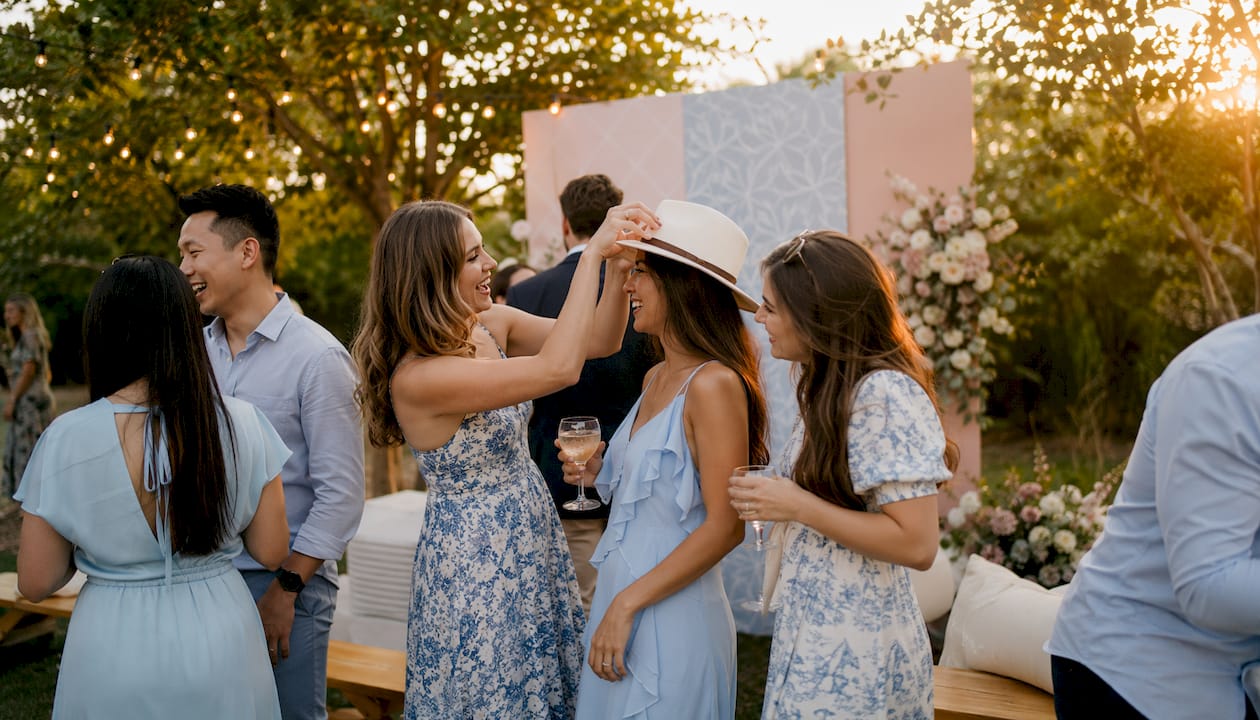
Event backdrop ideas are the carefully crafted visual focal points that define an event’s atmosphere and create unforgettable guest experiences. Whether you’re planning a wedding, a corporate launch, or a birthday bash, the right backdrop transforms an ordinary space into a photo-ready, memory-making moment. Event professionals follow the 80/20 rule for decor, focusing 80% of their budget and energy on the 20% of space guests interact with most. Backdrops sit squarely in that 20%. Get them right, and every photo your guests take becomes a keepsake they’ll treasure forever.
1. The best event backdrop ideas by occasion
The most effective backdrop designs match the event’s mood, audience, and purpose. A floral wall that wows at a wedding looks out of place at a tech conference. Matching your backdrop concept to the occasion is the single most important creative decision you’ll make.
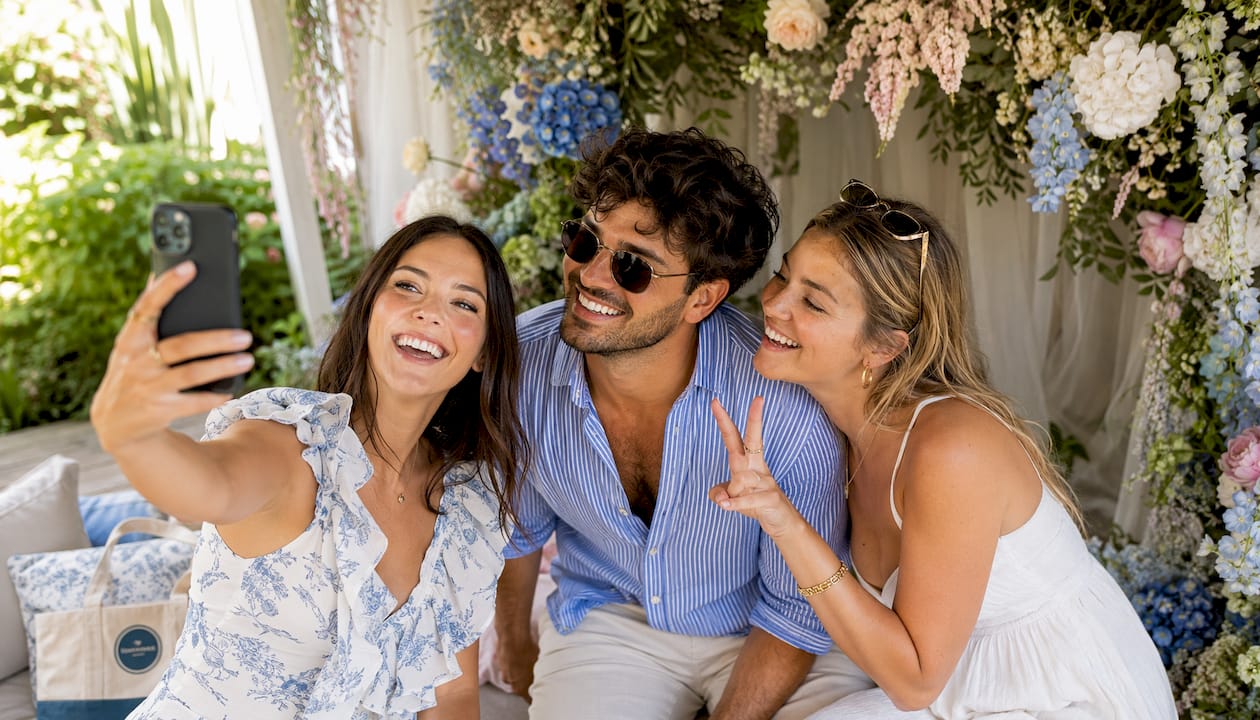
For weddings: Flower walls and lush organic arrangements remain the top choice. Fresh or faux blooms in white, blush, and sage create a timeless, romantic feel. Couples also love acrylic panels with calligraphy, draped fabric canopies, and greenery walls for a garden-party vibe.
For corporate events: LED video walls and logo-centric step-and-repeat banners deliver brand visibility. A minimum 12-inch logo height on corporate backdrops keeps branding legible from 5 to 10 feet away in photos. That standard matters because most event photography happens at that exact distance.
For private parties: Balloon arches, neon signs, and sequin curtains spark joy and photograph beautifully. A custom neon sign with the guest of honor’s name or a fun phrase doubles as both decor and a photo magnet.
Pro Tip: Pick one hero element per backdrop. A flower wall with a neon sign, balloons, and a chandelier above it creates visual noise. One strong focal point always photographs better than five competing ones.
2. DIY vs. rental backdrops: what actually makes sense
DIY backdrop options can cut costs by up to 50%, but they require 2–4 hours of labor depending on complexity. That trade-off is real. For a small birthday party with a simple balloon arch, DIY is a smart call. For a 200-person wedding or a branded corporate event, the labor cost and risk of a setup mishap usually outweigh the savings.
Rental backdrops arrive pre-built, professionally finished, and often include delivery and installation. You pay more upfront, but you get a polished result without the stress. Rmdphotobooths, for example, offers personalized backdrop experiences with full setup included, so you can focus on your guests instead of wrestling with a pipe-and-drape frame.
The honest answer: DIY works for simple, low-stakes setups. Rent or hire professionals for anything that needs to look flawless in photos.
3. Choosing the right backdrop materials and sizes
Material choice directly affects how your backdrop photographs. Glossy materials like sequin panels cause flash glare and hot spots in photos. Matte fabrics and wood panels absorb light evenly, keeping the subject prominent and the background clean. This is not a minor detail. A beautiful sequin wall can ruin every photo taken with a flash.
Size guidelines that actually work
Backdrops narrower than 8–10 feet break the photographic illusion for group shots. Guests at the edges fall outside the frame, or worse, the backdrop’s edge appears in the photo. Eight feet wide is the minimum for couples and small groups. Ten feet or wider works for larger parties and corporate headshots.
| Material | Photography Performance | Best For | Key Consideration |
|---|---|---|---|
| Matte fabric | Excellent, no glare | Weddings, portraits | Requires steaming on-site |
| Sequin panels | Poor with flash | Ambient lighting only | Avoid direct flash |
| Printed vinyl | Good with matte finish | Corporate, branded events | Check for wrinkles |
| Wood/pallet | Excellent | Rustic, outdoor events | Heavy, needs solid support |
| Greenery/floral | Excellent | Weddings, garden parties | Wilts if fresh; use faux |
Pro Tip: Fabric backdrops need 30–60 minutes of on-site steaming to look polished. Build that time into your setup schedule, or you’ll be smoothing wrinkles while guests arrive.
4. Installation and setup: getting it right before guests arrive
Backdrop placement determines how often guests actually use it. The best creative backdrop designs fail when they’re tucked in a corner no one walks past. Place your backdrop at the entrance, near the bar, or at the primary photo station. High-traffic placement is the direct application of the 80/20 rule.
Here are the key installation considerations every event host should plan for:
- Support systems matter. Use weighted bases or sandbags on pipe-and-drape frames. An unsecured backdrop that falls during an event is a safety risk and a photo disaster.
- Check venue restrictions early. Many venues prohibit adhesives, nails, and ceiling rigging. Confirm what’s allowed before you commit to a design that requires wall mounting.
- Plan for outdoor wind. Fabric and balloon backdrops catch wind like sails. Use tensioned frames, ground stakes, or switch to a heavier material for outdoor setups.
- Budget for transport wrinkles. Fabric backdrops always arrive creased. Schedule steaming time, or rent a pre-assembled option that arrives ready to use.
- Know your electrical load. LED walls and neon signs draw significant power. Confirm the venue’s circuit capacity before event day to avoid tripped breakers mid-reception.
For complex installs, venue preparation steps from a professional team save time and prevent costly mistakes. Professional crews handle rigging, safety compliance, and last-minute adjustments so you don’t have to.
5. Lighting and props: turning good backdrops into great ones
Lighting is the single most powerful tool in event design. Warm, layered lighting can make a low-cost backdrop look high-end. The reverse is also true: poor lighting makes an expensive backdrop look flat and dull. Lighting is genuinely the great equalizer of event decor.
“Lighting is the ‘great equalizer’ in event design. It transforms simple backdrops into elevated visual focal points that guests remember long after the event ends.” — Event design experts, 2026
Effective lighting techniques for backdrops include:
- Uplighting placed at the base of the backdrop adds depth and drama without harsh shadows.
- Backlighting behind sheer fabric creates a soft, glowing effect perfect for weddings and galas.
- Smart lighting controls let you shift color temperature throughout the event, from warm gold during cocktail hour to cool white for speeches.
- Avoid direct overhead fluorescents. They flatten the backdrop and cast unflattering shadows on guests.
Props add personality and encourage guests to interact with the backdrop. Themed accessories, letter boards, and unique booth add-ons give guests a reason to stop, pose, and share photos. That social sharing extends your event’s reach far beyond the room.
Experts advise selecting one “hero” piece and building complementary decor around it. A neon sign as the hero, framed by simple greenery and soft uplighting, creates a cohesive, Instagrammable moment. Piling on too many props reduces photo clarity and dilutes the visual impact. Less genuinely is more.
For creative inspiration on how lighting and backdrops work together at entertainment events, event production specialists offer detailed examples worth exploring.
6. Themed backdrop concepts that photograph beautifully
Themed backdrops create instant atmosphere and give guests a clear visual cue about the event’s personality. The theme should connect to the event’s color palette, venue style, and the host’s vision.
Boho and natural themes use macramé, pampas grass, and neutral linen for a relaxed, organic feel. These work beautifully for outdoor weddings and casual birthday celebrations. The matte textures photograph well under natural light.
Glamour and luxury themes favor velvet draping, gold geometric frames, and mirrored panels. Pair these with warm amber uplighting to avoid the glare problem that comes with reflective surfaces.
Minimalist and modern themes use a single color wall, clean typography, or a simple geometric pattern. These are especially popular for corporate events where the brand needs to stand out without visual competition.
Vintage and retro themes bring in distressed wood, old-style marquee letters, and film-grain printed vinyl. Rmdphotobooths’ vintage photo booth pairs perfectly with this aesthetic, adding an interactive element that guests genuinely love.
Seasonal and holiday themes adapt quickly with swappable elements. A winter wonderland backdrop uses white fabric, silver ornaments, and cool blue lighting. The same frame becomes a spring garden with faux blooms and warm green uplighting. Flexibility in your frame system saves money across multiple events.
7. Budget planning for backdrops at every event scale
Backdrop costs range widely based on size, material, and whether you rent or build. Smart budget planning prevents overspending on elements guests won’t notice and underspending on the ones they will.
For small private parties, a DIY balloon arch or printed fabric backdrop keeps costs low. For mid-scale events like corporate dinners or milestone birthdays, a rented floral wall or LED panel delivers professional results without a full production budget. For large-scale weddings and conferences, professional installation and custom printing are worth every dollar because the photos live forever.
Event budget planning resources recommend allocating a clear percentage of your total decor budget to the backdrop specifically, since it anchors every photo taken at the event. A backdrop that costs 20% of your decor budget but appears in 80% of your photos is an excellent return.
The key principle: spend where guests look and cameras point. Everything else is secondary.
Key takeaways
The most effective event backdrops combine the right material, size, lighting, and placement to create a visual anchor that guests photograph all night long.
| Point | Details |
|---|---|
| Match backdrop to occasion | Floral walls suit weddings; LED walls and step-and-repeat banners work for corporate events. |
| Size to fit group photos | Use a minimum width of 8–10 feet to prevent edges from appearing in group shots. |
| Choose matte over glossy | Matte fabrics and wood absorb flash and prevent glare that ruins photos. |
| Light it intentionally | Warm, layered lighting transforms any backdrop into a high-end focal point. |
| One hero element wins | A single strong focal point always photographs better than multiple competing pieces. |
What we’ve learned after thousands of events
After working with event hosts across weddings, corporate functions, and private parties, one pattern stands out clearly. The hosts who plan their backdrop and lighting together from the start get dramatically better results than those who treat lighting as an afterthought.
We’ve seen gorgeous flower walls completely washed out by overhead fluorescents. We’ve seen simple printed vinyl backdrops look stunning because someone placed warm uplights at the base. The backdrop material matters, but the lighting decision matters just as much.
The other thing we’d push back on is the idea that bigger is always better. A 12-foot sequin wall sounds impressive. In practice, it creates glare in every flash photo and competes with everything else in the room. A well-lit 8-foot matte fabric backdrop with one strong design element outperforms it every time.
Our honest advice: lock in your backdrop concept and your lighting plan at the same time. Confirm your venue’s electrical capacity and rigging restrictions before you commit to any design. And if the event is large or the photos matter, bring in professionals. The peace of mind alone is worth it.
— RMD
Rmdphotobooths: where backdrops and photo experiences come together
At Rmdphotobooths, we know that a great backdrop is only half the picture. The other half is giving your guests something fun to do in front of it.

We offer a full range of customizable photo booth experiences that pair beautifully with any backdrop style, from glamour and vintage to modern and themed. Our team handles setup, breakdown, and everything in between, so your event runs without a hitch. With over 1,000 five-star reviews across weddings, corporate events, and private parties in San Antonio, we know how to make your celebration truly shine. Ready to create those “wow” moments? Book your experience and let’s bring your vision to life.
FAQ
What is the minimum backdrop size for group photos?
Backdrops should be at least 8–10 feet wide to accommodate group photos without revealing edges or breaking the photographic illusion.
What backdrop material works best for flash photography?
Matte fabrics and wood panels absorb light evenly and prevent glare. Glossy materials like sequin panels cause hot spots and flash glare that ruin photos.
How do I choose event backdrops for a corporate event?
Use a step-and-repeat banner or LED wall with logos at a minimum 12-inch height for legibility from 5 to 10 feet. Matte finishes keep branding sharp in photos.
Can I build a DIY backdrop for my event?
DIY backdrops can cut costs by up to 50%, but expect 2–4 hours of labor. DIY works well for simple setups; professional rentals are better for large or high-visibility events.
How does lighting affect a backdrop?
Warm, layered lighting can make even a low-cost backdrop look high-end. Uplighting, backlighting, and smart color controls all improve backdrop appearance and photo quality significantly.