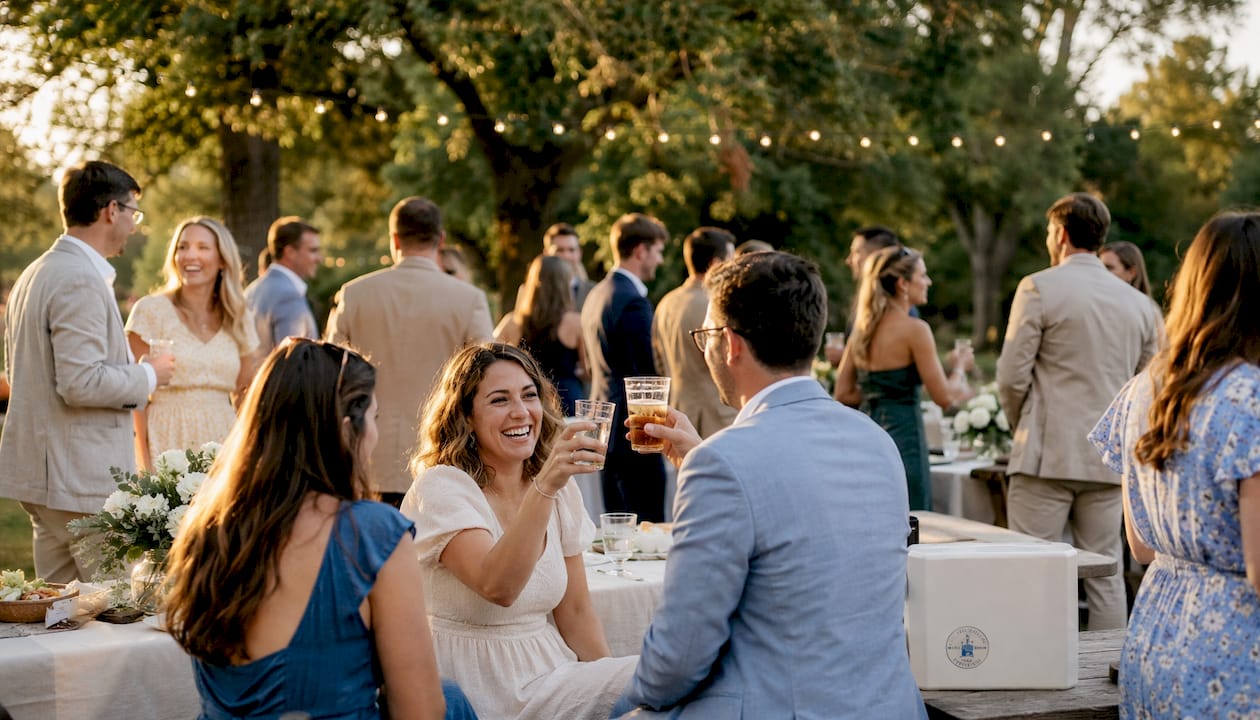
Event photomarketing is the strategic use of professional photography and attendee-generated images to amplify brand engagement, build social proof, and extend an event’s impact far beyond the venue itself. Think of it as turning every great shot from your event into a content engine that keeps working for months. Rather than treating photography as a nice recap, event marketers use it as a core channel, one that feeds social media, email campaigns, sales decks, and landing pages all at once.
At its heart, photo marketing for events combines three things:
- Intentional capture: planned shot lists aligned with specific marketing goals
- Smart repurposing: organizing images into a content library that serves multiple channels
- Audience activation: encouraging attendees to share their own photos, multiplying organic reach
The result is a brand asset that amplifies event reach well past the day itself, turning a single occasion into weeks of authentic, conversion-ready content.
Five ways to weave event photography into your marketing strategy
1. Tell an authentic event story
Every event has a narrative arc: the anticipation before doors open, the energy of a packed room, the quiet moment a speaker lands a powerful point. Capturing that arc gives you content that feels real, not staged. Use sequenced photo posts to walk your audience through the experience, and you naturally build excitement for the next edition.
2. Distribute across every channel simultaneously
A single corporate event can supply website hero images, email headers, Instagram carousels, LinkedIn speaker spotlights, and paid ad creatives at the same time. Mapping each photo category to a specific channel before the event means your team is not scrambling post-event. It also means nothing sits unused in a shared drive.
3. Engage attendees and sponsors with branded content
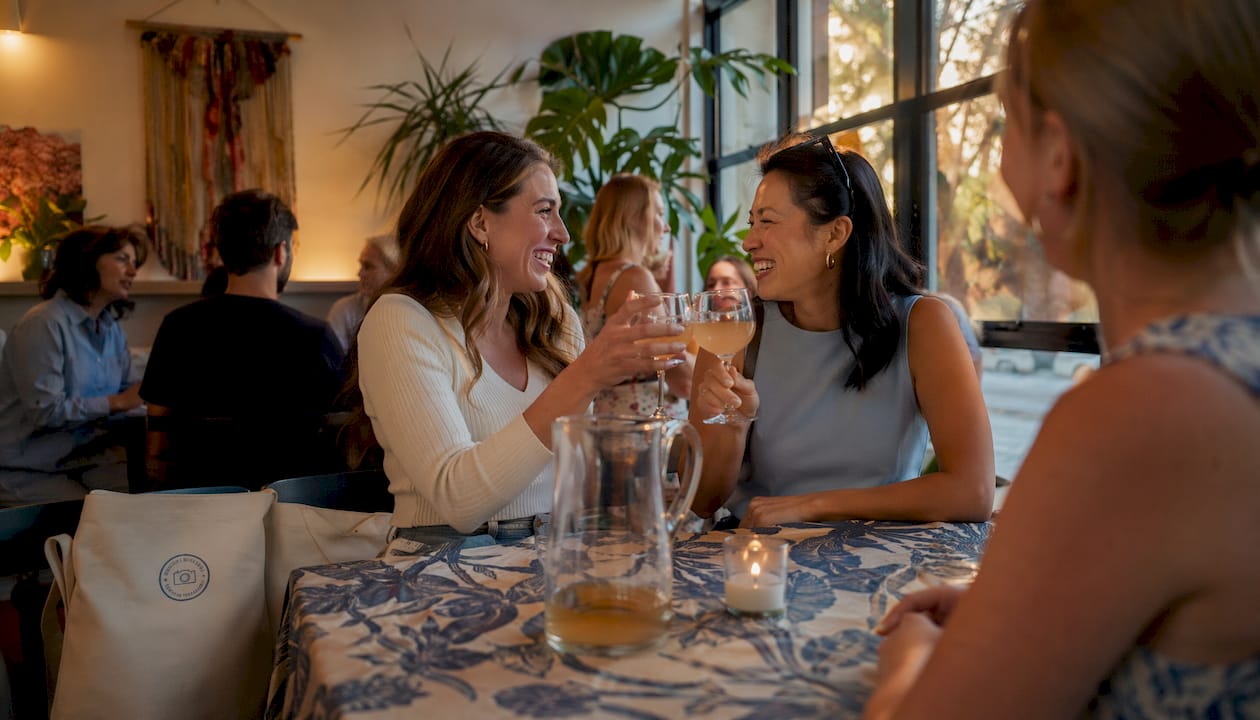
Sponsors pay for visibility. Delivering a curated set of high-resolution event photos they can use freely in their own marketing is a tangible benefit that most organizers never offer. Attendees, meanwhile, love seeing themselves in polished images. Tag them, thank them publicly, and watch organic sharing multiply your reach without any additional ad spend.
4. Time your photo releases for sustained engagement
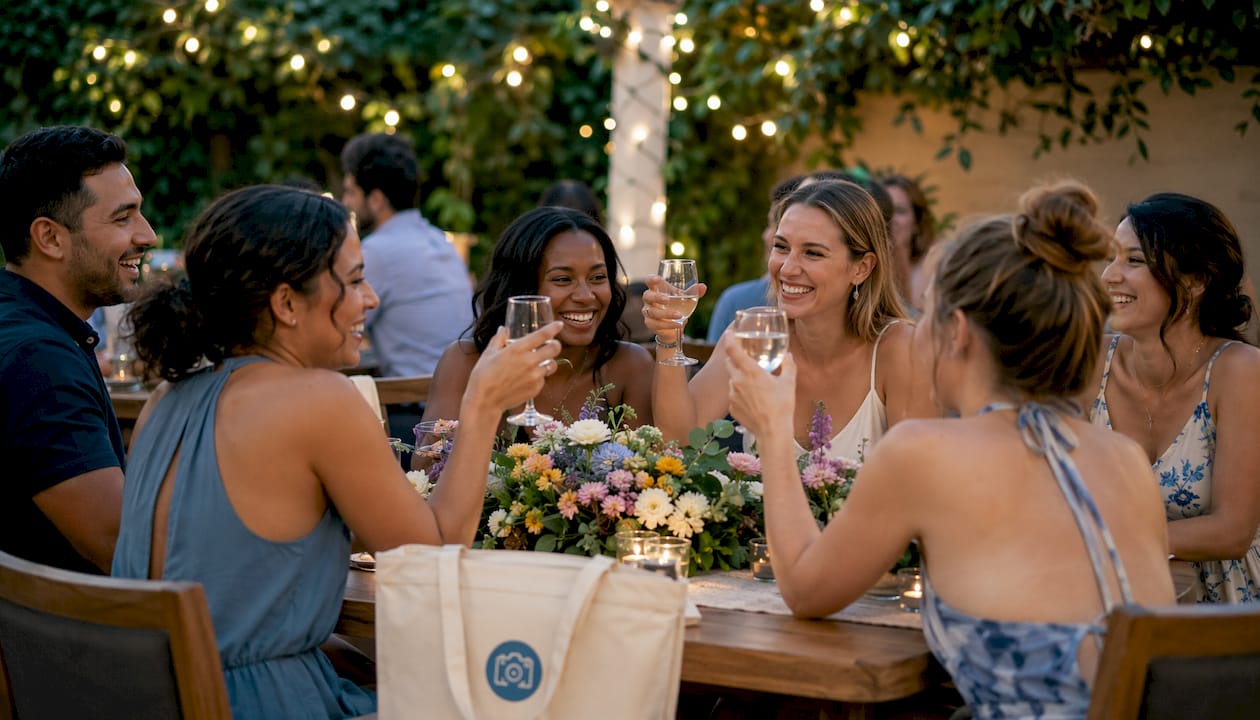
Sharing event photos soon after the event captures peak audience interest before it fades. After that window, spread content across weeks: speaker spotlights in week one, candid moments in week two, crowd throwbacks in week three. A structured photo library categorized by type can support a content program lasting up to 90 days after the event.
5. Use photos in sales collateral and lead generation
A well-organized event photo library anchors case studies, pitch decks, and proposal documents for months. Seeing real people at real events does persuasion work that copy alone cannot. Sales teams who pair event photography with client proposals consistently have richer, more credible materials to present.
How to choose the right event photographer for your marketing goals
Picking the right photographer is about more than portfolio quality. You need someone who understands that every shot has a downstream marketing purpose.
- Professional event photographers specialize in candid storytelling, speaker portraits, and crowd energy. They work best for conferences, galas, and product launches where editorial-style images are the priority.
- Photo booth providers like Rmdphotobooths add an interactive layer, giving attendees a reason to engage while generating branded, shareable content automatically.
- Shot lists are non-negotiable. Arrive at every event with a pre-agreed document specifying the exact moments, subjects, and compositions your marketing team needs. Without one, content strategy gets left to chance.
- Clarify usage rights upfront. Confirm in writing that you hold commercial rights to all images, including the right to use them in paid advertising and press materials.
- Set delivery standards. Agree on turnaround time before the event. The 24–48 hour sharing window matters, so a photographer who delivers in two weeks costs you real engagement.
Pro Tip: Treat photography as ongoing content production, not a one-time expense. Aligning shoots with quarterly marketing objectives keeps your visual content fresh year-round and reduces the scramble before every campaign.
Which photo types drive the most marketing value?
Not every shot serves the same purpose. Knowing which category to prioritize for each channel saves time and sharpens your content.
- Speaker and presenter portraits are the most versatile asset in any event library. Speakers share them willingly, they work in press releases and blog posts, and they have a multi-year shelf life.
- Crowd and scale shots convey social proof at a glance. A wide shot of a packed room says more about your event’s credibility than any testimonial.
- Networking and candid moments feel authentic in a way that posed shots never do. These perform especially well on LinkedIn and in internal communications.
- Branded environment shots showcase signage, stage design, and sponsor displays. Future sponsors and venue partners respond well to seeing production quality documented professionally.
- Product and exhibit shots serve the marketing teams of participating companies, making them a valuable deliverable for sponsor relationships.
| Photo type | Primary marketing use |
|---|---|
| Speaker portraits | Press releases, blog posts, speaker spotlights |
| Crowd and scale shots | Sales decks, sponsorship proposals, social proof |
| Candid and networking | LinkedIn content, email campaigns, internal comms |
| Branded environment | Sponsor deliverables, venue partner pitches |
| Product and exhibit | Sponsor marketing materials, case studies |
How to edit and repurpose event photos for maximum impact
Raw event photos rarely go straight to market. A consistent editing pass is what transforms a good shoot into a polished content library.
- Standardize color and exposure across the full batch so every image feels like it belongs to the same brand. Inconsistent editing makes a gallery look amateur, regardless of the original shot quality.
- Crop for each platform. Instagram Stories need a vertical 9:16 frame. LinkedIn favors landscape. Website hero images need width. Batch-cropping by platform before distribution saves hours of reactive resizing later.
- Categorize before you distribute. Segmenting images into types like speaker portraits, crowd shots, and branded environments makes targeted repurposing across channels far faster and more intentional.
- Build a content calendar around the library. One event produces enough material for 90 days of social media when organized well. Map each category to a content pillar and schedule posts throughout the year.
- Prepare a media pack within 48 hours. Three to five high-resolution images covering the speaker, a wide crowd shot, and a branded environment shot give journalists and editors exactly what they need to run a story.
How to encourage attendees to create and share photos at your event
Attendee-generated content, or UGC, carries a credibility that polished brand photography simply cannot replicate. Genuine reactions and candid moments are what modern audiences trust before making decisions.
- Launch an event hashtag before the event starts. Promote it on signage, in pre-event emails, and from the stage so every attendee post lands in one searchable thread.
- Incentivize sharing with contests. A simple “share your photo and tag us to win” prompt dramatically increases participation without requiring any technical setup.
- Deploy interactive photo stations. Branded backdrops, selfie stations, and photo booths give attendees a reason to take photos and a natural frame that carries your brand into every share.
- Use QR codes for frictionless uploads. QR codes placed at bar counters, table centerpieces, and lanyards let guests upload directly to a web-based gallery without downloading an app. That friction-free experience captures candid moments that professional photographers often miss.
- Enable real-time sharing. Automated delivery systems using QR codes and facial recognition allow near real-time photo sharing, catching attendees at peak excitement when sharing rates are highest.
- Handle removal requests quickly. If an attendee asks for their image to be taken down, act immediately. That responsiveness protects community goodwill and keeps your UGC program running smoothly.
- Obtain explicit attendee consent through visible signage and clear terms at the point of capture. This is the foundation of a legally sound UGC program.
Why event photography delivers real marketing ROI
Professional event photography does more than document a moment. It builds the kind of trust that moves people from curious to committed.
- Websites with real, custom photos see higher conversion rates and lower bounce rates than those relying on stock imagery. Visitors stay longer when they see genuine people and real environments.
- Event photos humanize your brand in a way no studio shoot can. Candid images of real attendees and authentic reactions carry a credibility that polished product shots cannot match.
- Visual content from events serves multiple channels simultaneously, meaning the cost of a single shoot spreads across website, social, email, and sales materials all at once.
- Professional photography functions as infrastructure, reducing customer acquisition costs by reinforcing brand positioning consistently across every touchpoint.
- Tracking ROI is straightforward: measure gallery views, social shares, hashtag reach, referral traffic from gallery links, and engagement rates on event photo posts. A structured asset management program consistently produces a positive return.
A well-run event with a capable photographer produces imagery that can fuel a content calendar for up to 90 days, support sales team materials for a year, and anchor sponsor relationships across multiple future events. The photographs already exist. The cost is already paid. The question is whether your team has a system for extracting value from them.
How photo booths and new technologies are reshaping event photomarketing
Photo booths have come a long way from the curtained strip-print machines of the past. Today’s interactive experiences are purpose-built for brand engagement and social sharing, and they generate marketing content automatically.
- Digital booths with real-time uploads push branded images directly to a guest’s phone within seconds of the photo being taken. That speed captures peak excitement and drives immediate social sharing.
- Branded overlays and custom frames mean every image a guest shares carries your logo, event name, or sponsor branding into their personal networks without any extra effort from your team.
- 360-degree booths create short video clips that perform exceptionally well on Instagram Reels and TikTok, giving your event a dynamic content format that still photos cannot match.
- AI-powered experiences like watercolor portrait generators and caricature booths give attendees something genuinely surprising to share, which dramatically increases organic reach.
- Roaming photo booths bring the experience to guests rather than waiting for them to come to a fixed station, capturing more interactions across a larger venue footprint.
Rmdphotobooths brings all of these experiences together under one roof. With diverse booth experiences ranging from glam booths and 360 setups to AI watercolor portraits and robot photo booths, and over 1,000 five-star reviews across weddings, corporate events, and private celebrations, we know how to create those “wow” moments that attendees treasure and share. Every booth we set up is designed to generate branded, shareable content that keeps working for your marketing long after the event ends.
Legal and privacy considerations when using event photos for marketing
Using event photography for commercial purposes requires more than good intentions. A few clear steps protect both your brand and your attendees.
Model releases and consent forms are the foundation. Any image used in paid advertising, press materials, or sales collateral should be backed by a signed release covering the scope of use, the duration, the platforms, and whether compensation is involved. For large events, visible signage at entry points stating that photography will be used for marketing purposes provides a baseline layer of consent.
UGC requires a higher standard. When attendees upload photos to your gallery, they should encounter explicit terms of service outlining exactly how their content may be used. If someone requests removal later, act immediately. Transparency here protects your reputation as much as your legal standing.
For events with international attendees, privacy regulations vary by jurisdiction. The general principle that applies everywhere: document your consent process, make it visible, and never use an image in a context the attendee could not reasonably have anticipated when they agreed to be photographed.
Best practices for distributing event photos across marketing channels
Getting photos out fast and in the right format for each channel is where most event marketing teams lose momentum. A repeatable distribution system fixes that.
Start with a recap email within 48 hours. Lead with 10–15 highlight images, link to the full gallery, and include a save-the-date for your next event. Photo-first recap emails consistently outperform text-heavy alternatives because they give recipients something they genuinely want.
Post platform-specific content on a schedule. Day one gets highlight shots. Days two and three get behind-the-scenes and candid moments. Week two gets speaker spotlights. Week three gets crowd throwbacks. Spreading content this way sustains engagement rather than flooding followers once and going quiet.
Build a dedicated event gallery page on your website. Link it from your ticket sales or registration page. When a prospective attendee is deciding whether to register for your next event, seeing real people enjoying themselves converts better than any written description.
Deliver a media pack to press contacts and sponsors within 48 hours. Three to five high-resolution images with pre-written captions dramatically improve press pickup. Sponsors who receive a curated photo set they can use freely in their own marketing remember that value when renewal conversations come around.
For social media integration that runs smoothly from booth to feed, connecting your photo activation directly to your distribution workflow removes the manual steps that slow everything down.
Key Takeaways
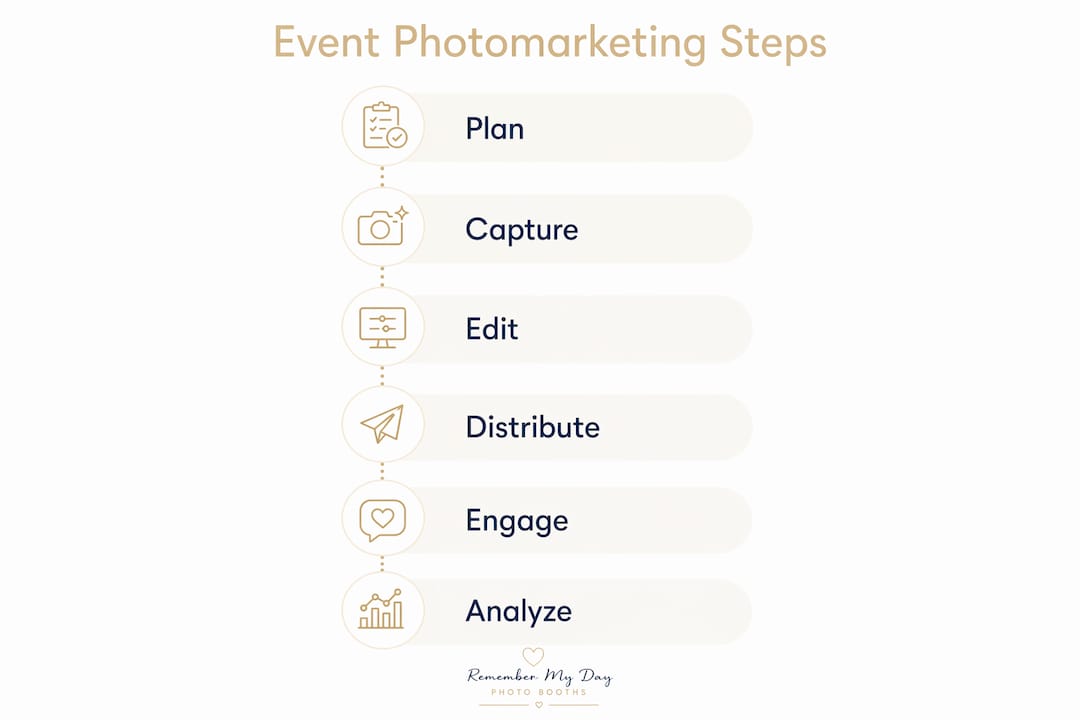
Event photomarketing works when photography is treated as a content infrastructure, not a one-time expense, with planned capture, fast distribution, and systematic repurposing across every channel.
| Point | Details |
|---|---|
| Share photos within 24–48 hours | Engagement drops sharply after this window; post highlights the same day when possible. |
| Categorize your photo library | Segmenting by type (speaker portraits, crowd shots, branded environments) enables targeted repurposing over several months. |
| Obtain consent before you publish | Visible signage and explicit terms at the point of capture protect your brand and your attendees. |
| Real photos outperform stock | Websites using custom event images see higher conversion rates and lower bounce rates than those using generic stock. |
| Photo booths generate branded UGC automatically | Interactive booths with overlays and real-time uploads turn every attendee into a content creator for your brand. |