Creative event services are the specialized disciplines that transform an event from a scheduled gathering into a memorable, audience-centered experience. They span six core categories: creative strategy and consulting, visual branding and identity design, content and scriptwriting, experiential activations and technology (including photo booths, AR/VR, and interactive installations), video and AV production, and digital experience design for virtual or hybrid formats. The sections below walk through each category’s deliverables, how to evaluate providers, what success looks like in measurable terms, and where to add creative touches at every stage of your event.
Key Takeaways
Creative event services are a measurable, audience-centered discipline that requires a clear brief, integrated creative direction, and defined KPIs from the start of planning, not as a finishing touch.
| Point | Details |
|---|---|
| Core definition | Creative event services shape the full attendee experience through strategy, design, production, and experiential activations. |
| Top service categories | Strategy, creative direction, branding, scenic design, video, experiential tech, and digital UX are the six core disciplines. |
| Evaluating providers | Hire for capability to meet your objective; require a measurement plan and a named creative director as contract deliverables. |
| Implementation tip | Run a micro-activation prototype before full production to test audience response cheaply and early. |
| Primary KPIs | Track engagement rate, dwell time, social shares, NPS, and lead capture rate to prove creative ROI. |
| Rmdphotobooths | Offers traditional, 360°, glam, vintage, AI portrait, and roaming booths as ready-to-deploy creative activations in San Antonio. |
Table of Contents
- Why creative event services matter for your bottom line
- What creative event services actually include
- What should you expect creative teams to deliver?
- What separates genuinely creative event services from ordinary production?
- Where can you add creative touches at each stage of an event?
- Photo booths as a measurable creative activation
- How do you evaluate and hire a creative event services provider?
- How do you measure whether creative event services worked?
- How do creative event services differ from standard event planning?
- Common pitfalls in creative event services and how to sidestep them
- Our honest take on what creative event services really require
- Rmdphotobooths brings your creative vision to life in San Antonio
- Sources
Why creative event services matter for your bottom line
Creative services do more than make an event look polished. They directly shape whether attendees pay attention, remember your message, and tell others about the experience afterward.
The business case is straightforward. When an event is designed around a clear creative concept, attendees form stronger emotional connections to the brand or organization behind it. That connection translates into longer dwell time at activations, higher social sharing rates, and better recall of key messages days after the event ends. Sponsors notice, too: a visually distinctive, well-branded event commands higher sponsorship value because it delivers more impressions per dollar.
Stat to know: According to Bizzabo’s audience engagement research, audience engagement is a measurable goal, and events designed with deliberate engagement tactics consistently outperform those that treat interaction as an afterthought.
Creative investment has the highest marginal return at product launches, brand experiences, and retention-focused events where the emotional impression is the product. For a routine internal meeting, the ROI calculus looks different. Knowing which events justify deeper creative spend is itself a strategic skill.
What creative event services actually include
Event creative encompasses every service that shapes the attendee experience from the moment someone receives an invitation to the moment they leave. Here is the practical taxonomy:
-
Creative strategy and consulting. The foundational layer. A strategist defines the event’s core concept, audience journey, and emotional arc before any design work begins. Output: a creative brief and concept document. Typically owned by the agency or lead creative director.
-
Creative direction. The ongoing role that keeps every visual, spatial, and content decision aligned with the brief. Defining creative direction early aligns theme, visuals, and production so each decision supports a cohesive outcome rather than competing for attention. Output: a creative direction deck, mood boards, and milestone reviews.
-
Branding and identity design. Event-specific logos, color palettes, typography, and brand standards applied across all touchpoints. Output: a brand guide and asset library. Usually agency-led with in-house approval.
-
Scenic and stage design. Physical environment design including set builds, backdrops, lighting concepts, and spatial flow. Output: CAD drawings, 3D renders, and a technical rider. Owned by the scenic designer in coordination with the AV team.
-
Graphic design and digital assets. Signage, social graphics, presentation templates, digital displays, and print-ready files. Output: production-ready files in agreed formats (PDF, AI, PNG at specified DPI). Often split between agency and in-house marketing.
-
Presentation design and scriptwriting. Speaker decks, run-of-show scripts, and session narratives. Output: final slide files and a timed script. Scriptwriters typically work with speakers directly.
-
Video and motion. Sizzle reels, session openers, recap videos, and motion graphics for screens. Output: exported video files at broadcast specs (typically H.264 or ProRes, 1080p or 4K). Owned by the production team.
-
Experiential activations. Interactive elements, immersive environments, and unexpected moments that turn attendees into active participants. Photo booths, 360° video stations, AR/VR experiences, and branded installations all live here. Output: a logistics plan, staffing schedule, and digital asset delivery workflow.
-
UX/UI and platform design for virtual or hybrid. Interface design, attendee journey mapping, and platform configuration for digital participants. Output: wireframes, platform build specs, and a test-run report.
-
Asset management and pre-show prep. Version control, file naming conventions, and final delivery packages. Output: a master asset folder with a handoff checklist. Often underestimated and frequently the source of last-minute chaos when skipped.
What should you expect creative teams to deliver?
The short answer: a complete set of production-ready files, a documented creative concept, and a clear handoff process. Surprises at load-in almost always trace back to vague deliverable agreements made weeks earlier.
By deliverable type, here is what to request and what “done” looks like:
Visual identity package: Brand guide PDF, all logo files in vector (AI, EPS, SVG) and raster (PNG with transparent background at 300 DPI), and a color swatch file. Minimum acceptance: files open correctly in the production software your AV team uses.
Stage and scenic concept: 3D render or CAD drawing with dimensions, a materials list, and a power/rigging requirements document. Minimum acceptance: the technical rider is signed off by the venue before fabrication begins.
Digital assets: All screen graphics at the exact pixel dimensions of the venue’s displays, exported in the format the media server requires. Minimum acceptance: a successful test playback on-site before doors open.
Run-of-show script: A timed document with speaker cues, AV cues, and contingency notes. Minimum acceptance: every speaker has reviewed and approved their section.
Experiential activation blueprint: A floor plan with dimensions, a power and connectivity checklist, a staffing plan, and a digital delivery workflow (how guests receive their photos or content). Minimum acceptance: a dry run completed at least 24 hours before the event.
On asset handoff, assign one person on each side (client and agency) as the version-control owner. A shared folder with a clear naming convention (event_assetname_v3_FINAL) prevents the classic “which file is the real final?” problem. Build a handoff deadline into the contract, typically five business days before load-in.
Pro Tip: Request a “creative deliverables matrix” at kickoff: a simple spreadsheet listing every asset, its owner, its format spec, and its due date. Teams that resist producing this document are telling you something important about how they manage projects.
What separates genuinely creative event services from ordinary production?
Surface-level creativity looks good in a pitch deck and falls flat on the day. Genuinely creative event services share six qualities that you can test for before signing a contract.
- Audience-centered storytelling. The creative concept starts with “what should attendees feel and do?” not “what looks impressive?” Every design decision is auditable against that question at each milestone.
- Integrated creative direction. A single creative vision runs through every touchpoint: invitation, environment, sessions, and takeaways. When the stage design and the email invite feel like they came from different events, integrated direction was missing.
- Measurable goals baked in from the start. When creative work is measured through shares, dwell time, and NPS, it becomes easier to justify recurring budgets and integrate creativity into standard planning cycles.
- Purposeful surprise. The best creative moments feel unexpected but inevitable in hindsight. They serve the event’s narrative rather than existing for their own sake.
- Technical feasibility. A creative idea that cannot survive contact with the venue’s power grid, ceiling height, or Wi-Fi bandwidth is not a creative idea; it is a liability. Strong creative teams validate concepts against technical constraints before presenting them.
- Repeatability and scalability. A great activation should be documentable enough to deploy again or adapt for a different audience. Creativity in events ranges from visual to experiential and strategic forms, and small, well-placed ideas can produce large impact even on limited budgets.
Pro Tip: Test a creative concept before full production by running a micro-activation: a branded photo moment, a pop-up installation, or a 10-minute interactive exercise during registration. Audience response at that small scale predicts full-event reception far more accurately than internal reviews do.
Where can you add creative touches at each stage of an event?
Nearly every facet of event production can be customized, and the highest-impact moments are often the ones attendees least expect. Here is a component-by-component breakdown, from first contact to post-event follow-up.
Invitation and pre-event. A personalized video invitation or an interactive microsite with a countdown and teaser content sets anticipation before anyone arrives. Budget-friendly version: a well-designed email with a custom GIF. Higher-budget version: a physical mailer with an embedded QR code that unlocks exclusive pre-event content.
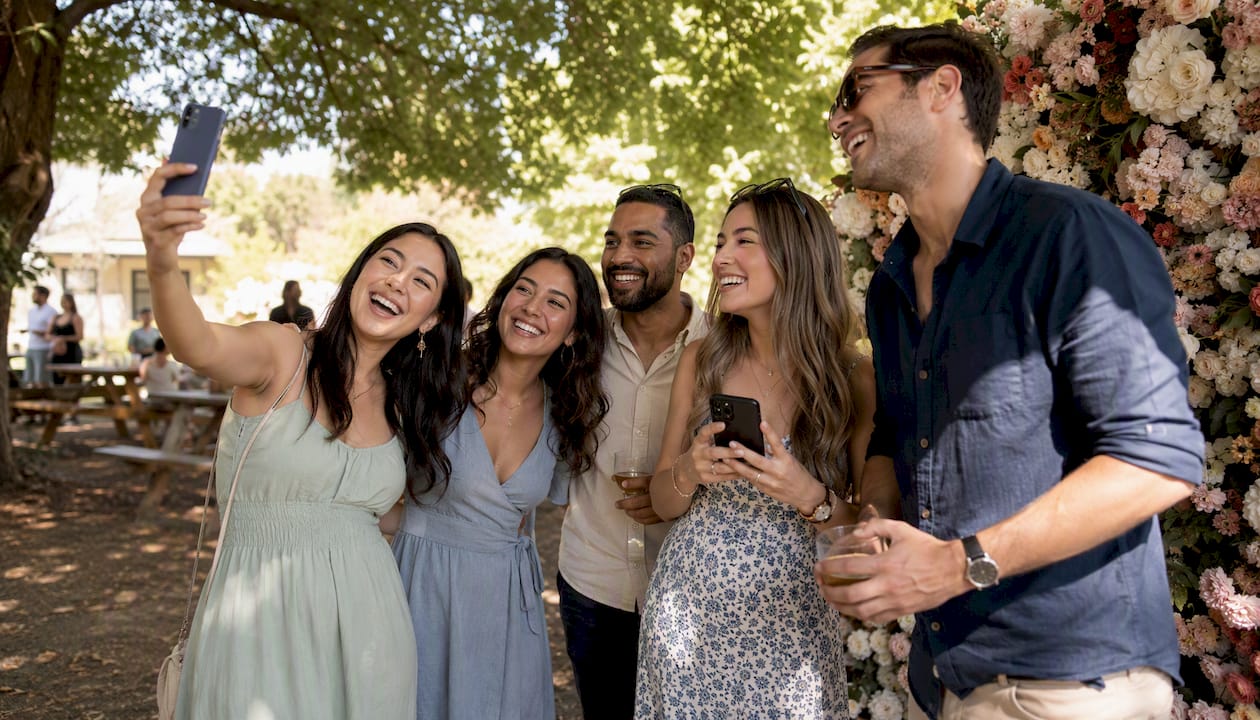
Arrival and welcome. The first 90 seconds shape the entire experience. A branded photo activation at the entrance, a live artist sketching arrivals, or a custom scent in the lobby all create immediate sensory anchors. A 360° video booth at the entrance doubles as a social content engine from minute one.
Transitions and flow. Dead time between sessions kills momentum. Short video vignettes, a roaming entertainer, or a live polling question projected on screen keeps energy up and signals that every moment was designed intentionally.
Stage and sessions. Dynamic lighting changes between speakers, custom lower-third graphics, and a well-scripted host who connects session themes create a cohesive narrative arc. Even a single well-timed piece of motion content can shift the room’s energy.
Networking and social moments. Structured networking activities (speed-round conversations, collaborative challenges) outperform open networking for most attendees. A corporate event entertainment checklist can help you map these moments to your event’s specific goals.
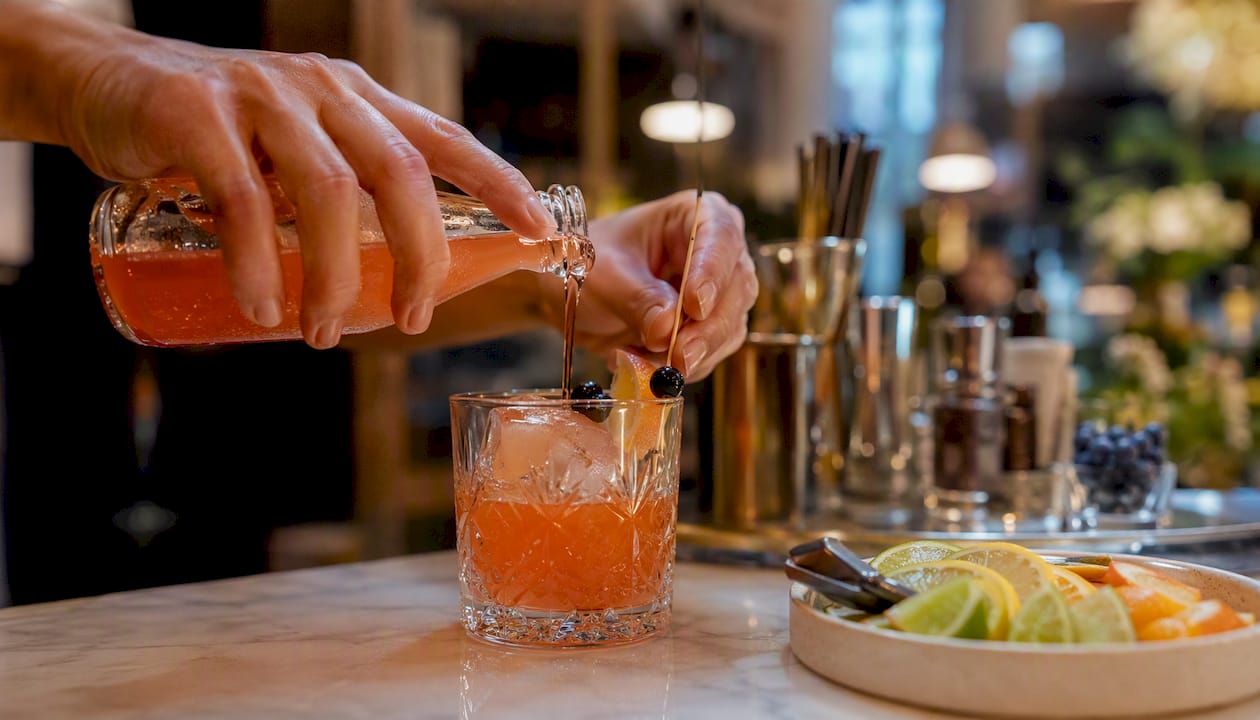
Food and beverage interaction. Themed menus, interactive food stations, and custom cocktail names tied to the event’s theme are low-cost, high-delight touches that attendees photograph and share organically.
Takeaways and post-event follow-up. A branded digital photo gallery, a personalized recap video, or a curated resource kit extends the event’s life well beyond the closing session. The goal is to give attendees something worth sharing with colleagues who were not there.
Photo booths as a measurable creative activation
A photo booth is one of the most dependable creative activations in event planning because its impact is trackable from the moment the first guest steps in.
Here is what a photo booth activation looks like in practice, from concept to measurement:
-
Choose the format to match the event’s tone. A traditional photo booth fits corporate galas and weddings. A glam booth with studio lighting and high-fashion filters suits luxury brand events. A 360° video station generates shareable short-form content for social-first activations. An AI watercolor portrait booth creates a keepsake that feels genuinely personal.
-
Brand every output. Custom overlays, event-specific backdrops, and branded digital delivery pages turn each photo into an impression. Personalized photo booth experiences align the activation with your event’s visual identity rather than looking like a rental add-on.
-
Plan the logistics. Allocate an appropriate amount of space for a standard booth, confirm power access, and schedule sufficient attendants per booth. For medium-sized events, expect peak demand early and during social periods.
-
Set a booking timeline. For events in San Antonio, book at least four to six weeks in advance for standard formats; eight or more weeks for custom builds or AI portrait setups.
-
Measure the activation. Track total sessions (number of photos taken), digital shares, branded impressions from social posts, and dwell time at the booth. If the booth includes a lead capture or email opt-in step, track conversion rate there as well.
Rmdphotobooths has delivered activations across weddings, corporate events, galas, and private parties in San Antonio, with over 1,000 five-star reviews reflecting consistent execution across all these formats.
How do you evaluate and hire a creative event services provider?
Hire for the capability to meet your specific objective, not for the flashiest portfolio. A provider whose reel is full of large-scale concerts may not be the right fit for an intimate product launch where nuance matters more than spectacle.
Provider evaluation checklist:
- Portfolio samples that match your event type and scale
- A named creative director (not just a team) who will own your project
- Evidence of production integration: do they work with AV teams, or do they hand off and disappear?
- Client references from events with similar objectives
- A documented measurement approach: how do they track creative impact?
- A clear asset management workflow with version control
Questions worth asking in the first meeting:
- “Walk me through how you developed the creative concept for [a specific project in their portfolio].”
- “How do you handle a creative direction change two weeks before the event?”
- “What does your asset handoff process look like, and who owns final file delivery?”
- “How do you measure whether the creative worked?”
A creative events agency focuses on strategy, concept, and audience experience while event management focuses on logistics. The strongest partners combine both. If a provider cannot articulate how their creative decisions connect to your event’s goals, that is a red flag regardless of how good their work looks.
Red flags: no measurement plan, missing technical specs in proposals, resistance to version control, and a portfolio that shows only aesthetics with no mention of outcomes.
Timeline and budget context:
| Project milestone | Recommended lead time | Typical budget driver |
|---|---|---|
| Creative brief and concept | 10 weeks out | Strategy hours, research |
| Visual identity and design | 8–10 weeks out | Design complexity, revision rounds |
| Scenic and stage design | 8 weeks out | Fabrication, materials, rigging |
| Video and motion production | 6–8 weeks out | Length, animation complexity |
| Experiential activation booking | 4–8 weeks out | Format type, customization level |
| Asset handoff and pre-show prep | 5 business days out | Version control, on-site testing |
Event budgets and resource allocation trends confirm that creative work requires lead time and budget choices that differ meaningfully from standard logistics planning.
How do you measure whether creative event services worked?
Measurement starts before the event, not after. Set a baseline for each KPI during the planning phase so you have something to compare against.
Primary KPIs for creative event work:
- Engagement rate: percentage of attendees who interacted with a specific activation or session
- Dwell time: average time spent at an activation or in a session
- Social shares and hashtag impressions: total reach generated by attendee-posted content
- Net Promoter Score (NPS) or CSAT: post-event survey scores measuring overall satisfaction and likelihood to recommend
- Lead capture rate: percentage of activation participants who opted into a follow-up communication
- Sponsor lift: change in sponsor brand recall or sentiment measured pre- and post-event
Tools and methods:
Session tracking software (Bizzabo, Cvent, Whova) captures attendance and session dwell time. QR codes at activations track engagement and can feed directly into a CRM. Social listening tools (Sprout Social, Brandwatch) aggregate hashtag impressions and sentiment. On-site surveys via tablet kiosks or SMS links capture NPS in real time. Industry benchmarks from event marketing research give planners realistic targets to set before the event.
Attribution is genuinely hard. A guest who shares a photo from your booth and later books a product demo may never be tracked back to that moment. Set realistic baselines, document your methodology, and focus on trends across events rather than single-event absolutes.
How do creative event services differ from standard event planning?
Standard event planning is logistics-first: venue, catering, AV, run-of-show, vendor coordination. It answers “what needs to happen and when?” Creative event services answer a different question: “what should attendees feel, and how do we design every moment to produce that feeling?”
The practical difference shows up in the brief. A logistics-focused brief lists deliverables and deadlines. A creative brief defines the audience, the emotional arc, the core message, and the success metrics. Both documents are necessary. Only one of them requires a creative team to produce.
Creative services also operate on a different timeline. Design, concept development, and production of experiential elements need to begin weeks or months before logistics teams typically engage. Planners who treat creative as a late-stage add-on consistently produce events that feel generic, because the creative team had no time to do anything but execute someone else’s half-formed idea.
The best event programs integrate both disciplines from the start, with a creative director and a logistics lead working in parallel rather than sequentially.
Common pitfalls in creative event services and how to sidestep them
Brief drift. The creative concept approved at kickoff slowly morphs through revision rounds until the final product no longer serves the original objective. Fix: lock the brief before design begins and require a written approval at each milestone before moving to the next phase.
Aesthetic over outcome. A visually stunning activation that attendees walk past without engaging is a failure, not a success. Fix: every creative element should have a stated behavioral goal (“attendees will stop here for at least two minutes and share a photo”) before production begins.
Late-stage technical surprises. A scenic design that cannot fit through the venue’s loading dock, or an AR activation that requires Wi-Fi bandwidth the venue cannot provide, are both creative failures with logistical causes. Fix: involve your AV and production team in creative reviews from the first concept presentation.
No measurement plan. Creative teams that cannot tell you how they will measure impact are either inexperienced or uninterested in accountability. Fix: make a measurement plan a contract deliverable, not an afterthought.
Underestimating staffing. An experiential activation without enough trained staff to guide attendees through it will underperform regardless of how good the technology is. Fix: budget one attendant per activation and include a brief training session in the pre-show schedule.
Our honest take on what creative event services really require
The most common mistake we see planners make is treating creativity as a layer applied on top of a finished event plan. By the time the logistics are locked, the creative team has no room to shape the experience in any meaningful way. They can decorate. They cannot design.
The events that genuinely move people start with a creative brief, not a venue contract. The brief defines what the audience should feel, what they should remember, and what they should do after they leave. Every logistical decision that follows, from room layout to catering flow to activation placement, serves that brief.
Our practical rule: if you cannot describe your event’s emotional arc in two sentences, your creative brief is not ready. Write those two sentences first. Everything else gets easier from there.
Rmdphotobooths brings your creative vision to life in San Antonio
Photo booth activations are one of the fastest ways to add a measurable, shareable creative moment to any event program, and Rmdphotobooths delivers exactly that across San Antonio with formats that map directly to the KPIs this guide covers.
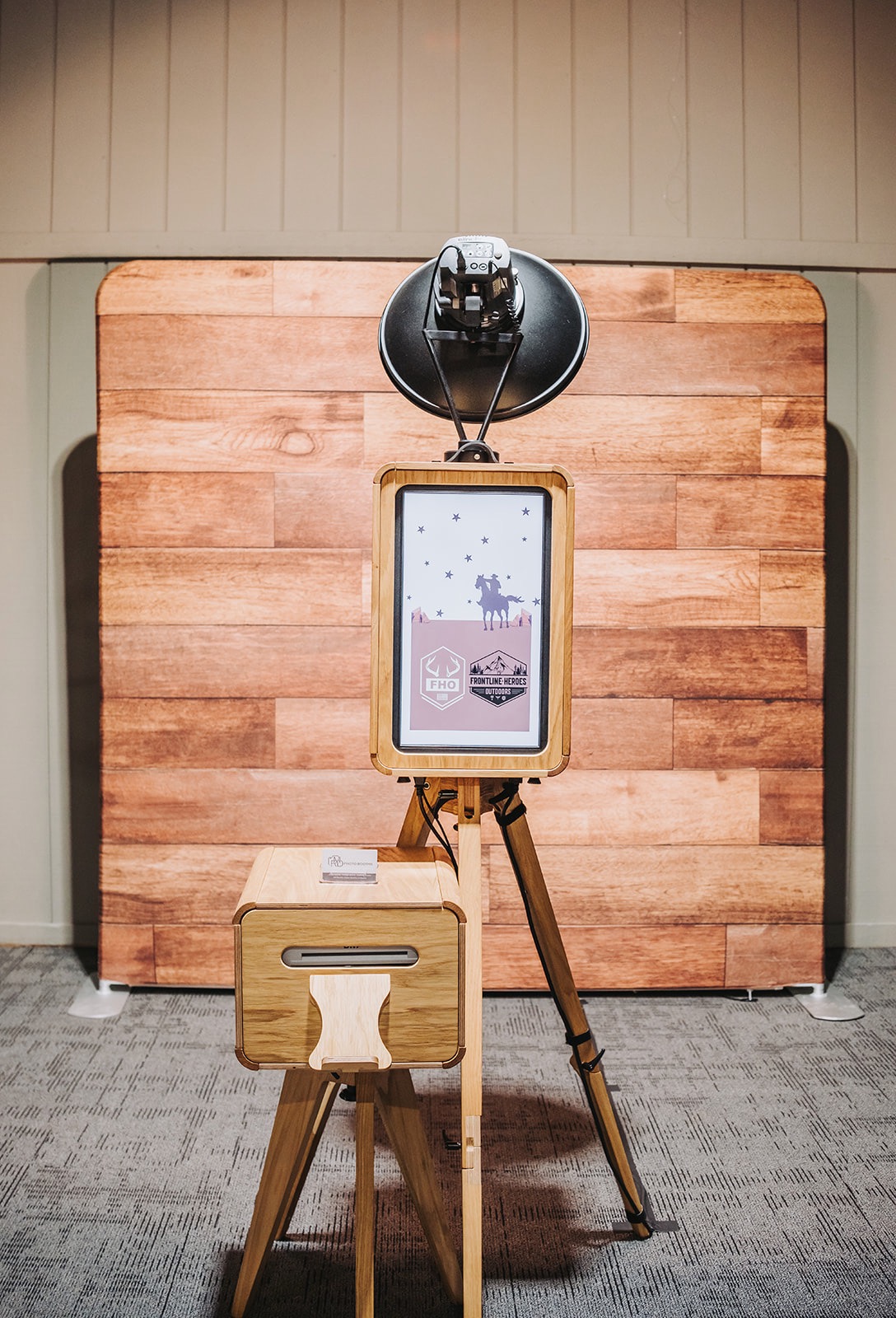
Here is a quick guide to choosing the right format for your event:
- Traditional photo booth: Reliable, high-output, and perfect for weddings, galas, and corporate receptions where volume and branded prints matter.
- 360° video booth: Generates shareable short-form video content on the spot, ideal for product launches and social-first brand events.
- Glam booth: Studio-quality lighting and filters for luxury events and bridal celebrations where the photo itself is the keepsake.
- Vintage booth: Warm, nostalgic aesthetic that fits themed galas, anniversary events, and heritage brand activations.
- AI watercolor portrait booth: A genuinely personal takeaway that guests treasure, great for VIP experiences and intimate gatherings.
- Roaming booth: Brings the activation to the crowd rather than waiting for the crowd to come to it, maximizing dwell time across large venues.
Browse the full range of experiences at Rmdphotobooths or book your date now to lock in your activation before your event window fills.
Sources
- What is Event Creative? The Secret to Unforgettable Experiences – Endless Events
- How Strong Creative Direction Shapes Successful Events from Day One
- Event Management Company vs Creative Events Agency
- Plan creative events
- Audience engagement guide – Bizzabo
- Creative elements of event planning – LiveAbout