Event mood is the coordinated mix of sensory and service choices, lighting, sound, decor, pacing, and entertainment, that a planner times deliberately to produce a specific emotional response in guests. It’s not decor picked because it looks nice on a mood board. It’s a set of decisions that work together on a clock.
Three levers move the needle faster than anything else: lighting, sound and music, and interactive elements like photo booths or gamified stations. Change these three and you’ve changed the room, even if the flowers stay exactly the same.
If you have ten minutes right now, here’s where to start:
- Set your color temperature: warm (2700K to 3000K) for intimacy, brighter and cooler for energy and celebration.
- Pick two playlist anchors, one for the quiet arrival window, one for the moment you want the room to peak.
- Choose one interactive station and put it somewhere every guest walks past at least twice.
- Decide your one “reveal” moment (first dance, cake cutting, award announcement) and plan the lighting cue around it.
- Walk the room once, from a guest’s eye level, before doors open.
That’s the whole framework. Everything below is how to execute it well.
Table of Contents
- Understanding Event Atmosphere: The Core Elements That Shape Mood
- Mood Profiles: Ready-to-Copy Recipes for Common Celebration Vibes
- Interactive Entertainment and Photo Booths: How They Deepen Mood
- Timeline and Typical Costs: When to Book and What to Budget
- One-Page Operational Checklist and Vendor Questions
- If You Want Help: How RMD Photo Booths Supports Mood-Driven Events
- Sources
Understanding Event Atmosphere: The Core Elements That Shape Mood
Every mood-defining decision comes down to a handful of controllable inputs. Get these right and the finer details, linens, favors, seating cards, take care of themselves.
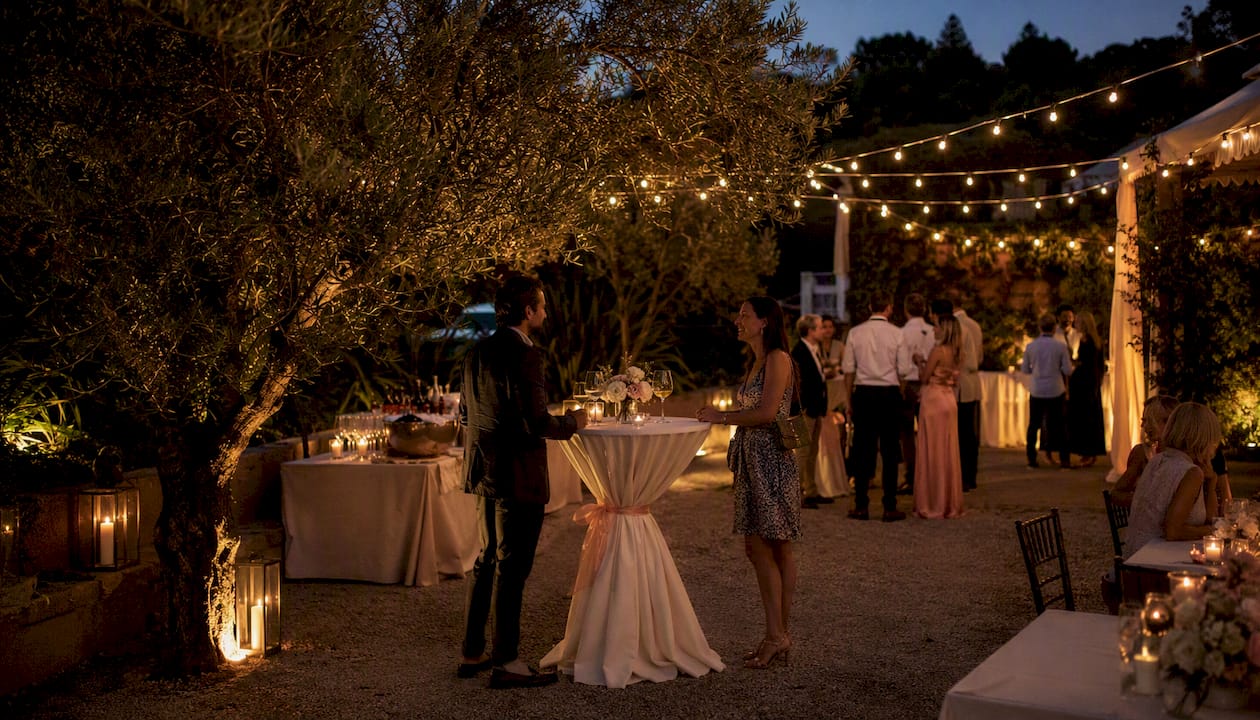
Lighting does more emotional work than any other single element. About 70% of event planners consider lighting essential to establishing the right vibe, and the mechanism is straightforward: warm, low, layered light reads as intimate and safe, while bright, cool, evenly spread light reads as alert and social. Layer three types, ambient (general room fill), task (where people eat or sign a guest book), and accent (uplighting on walls, pin spots on centerpieces).
Sound and music set the emotional pace of the room, and pairing it deliberately with lighting compounds the effect. One industry study found a majority of planners see a stronger guest experience when music and lighting shift together, and 83% of guests say atmosphere is what they remember most about an event months later. Keep background volume around 65 to 70 decibels during conversation windows, cocktail hour, dinner, then let it climb past 85 decibels once dancing starts. Speaker placement matters as much as song choice: diagonal placement across a room avoids the dead zones and hot spots that make one side of the dance floor feel dead and the other feel deafening, a detail confirmed by research on how lighting, layout, and sound shape guest perception.
Layout and flow guide behavior more than most planners give them credit for. A dance floor with no clear sightline to the DJ booth stays empty longer. A bar tucked in a corner creates a bottleneck instead of a gathering point. Design one strong focal point per zone and a walking path that doesn’t force guests to choose between two competing “main” areas.
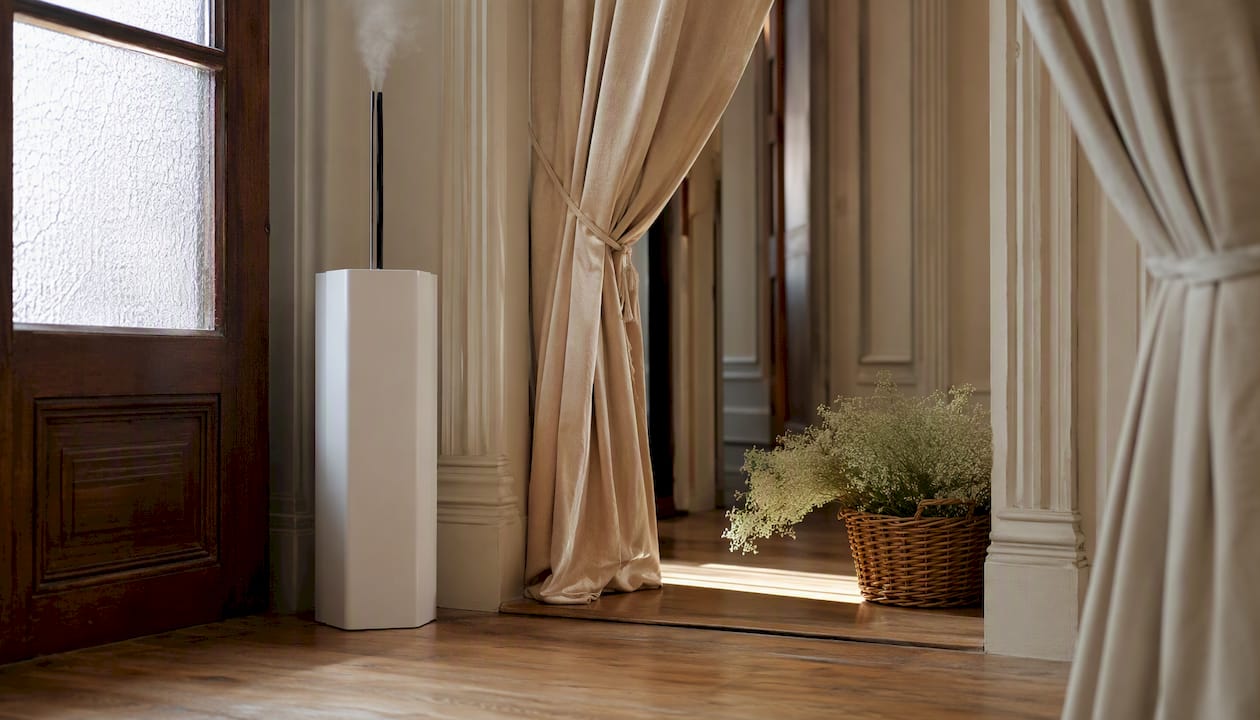
Scent and texture are the quiet reinforcers. A single signature scent near the entrance (not throughout the venue, which overwhelms) primes guests before they’ve processed anything visual. Linen weight, chair texture, and even glassware weight all signal formality or looseness without a single word being said.
Pacing ties it all together. Emotional contagion research on group dynamics shows that events succeed when they move guests through stages, arrival and forming, warming up, and eventually full participation, rather than demanding high energy from a cold room. Force a packed dance floor in the first ten minutes and you’ll get resistance instead of participation. Build the arc instead.
Pro Tip: Do a full walk-through with lights and music running exactly as programmed, at least 30 minutes before doors open. Problems that are invisible on a lighting plan (a hot spot near the cake table, a speaker aimed straight into the head table) are obvious the second you stand in the room.
Mood Profiles: Ready-to-Copy Recipes for Common Celebration Vibes
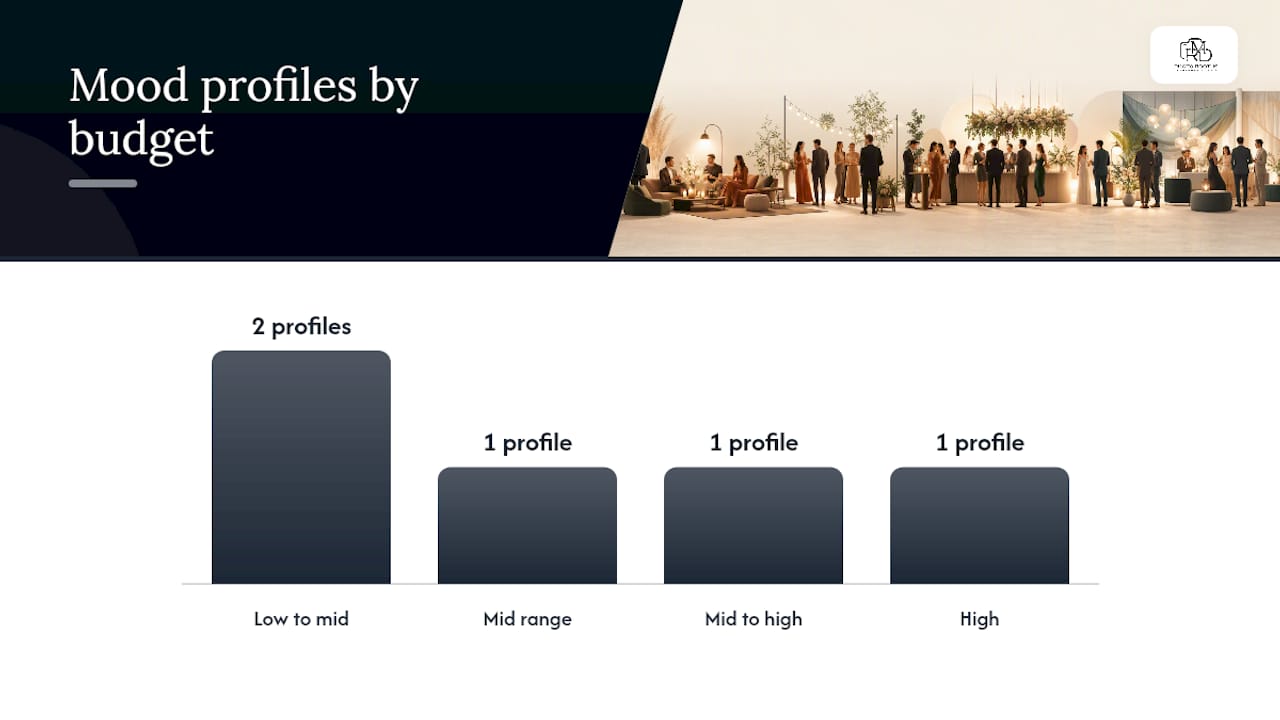
Instead of starting from scratch, borrow one of these profiles and adjust the palette to fit your client.
| Mood | Lighting | Music | Decor | Interactive element | Typical budget bracket |
|---|---|---|---|---|---|
| Romantic | Warm amber uplighting, candle clusters | Slow tempo, acoustic or string covers | Soft blush and cream, sheer draping | Vintage-style photo booth for candid portraits | Mid range |
| Festive | Colorful gobo patterns, string lights | Upbeat pop and classic party anthems | Bold color blocking, balloon installs | 360 photo booth for group slow-motion clips | Mid to high |
| Playful | Bright, saturated color washes | High-tempo, familiar sing-alongs | Oversized props, patterned backdrops | Glambot or trading card photo booth | Low to mid |
| Elegant | Crisp white or cool uplighting, chandeliers | Jazz or orchestral arrangements | Metallic accents, tall centerpieces | Glam booth with studio-quality lighting | High |
| Intimate | Very low ambient, single-source glow | Quiet instrumental, low volume | Small guest count staging, personal touches | Traditional photo booth tucked near seating | Low to mid |
| High-energy | Strobe accents, moving heads, cool tones | Fast tempo, bass-heavy | Minimal static decor, dynamic lighting rigs | 360 booth or roaming photo booth | High |
A budget-conscious swap works for every row: string lights instead of a full uplighting package, a curated Spotify playlist instead of a live band. The single highest-impact upgrade, if there’s room in the budget, is almost always the interactive element. It’s the one piece guests actually take home with them.
For a wedding leaning romantic, a vintage-style booth near the escort card table gives guests something to do during the awkward gap between ceremony and reception, while reinforcing the palette through props and overlays. For a corporate holiday party going festive, a 360 booth placed near the bar (not hidden in a back corner) pulls people out of side conversations and onto camera.
Interactive Entertainment and Photo Booths: How They Deepen Mood
Interactive elements convert passive observers into active participants, and that shift changes how guests remember the night. Industry comparisons of interactive versus passive entertainment formats find 30 to 50% higher post-event satisfaction at comparable budgets, largely because participation satisfies a guest’s sense of autonomy in a way that watching a stage show never does. When someone chooses their own pose, prop, and moment, they’re building a memory instead of just witnessing one.
There’s a social mechanic at work, too. Once roughly 60% of a room joins an activation, the remaining guests follow. A photo booth queue is a visible signal that something fun is happening, and that visibility does more recruiting than any announcement from the DJ. Placing interactive stations in high-traffic, high-visibility spots pulls people out of side conversations and phone-scrolling and into a shared moment.
Match the booth format to the mood you’re building:
- Glam booths suit elegant events, the studio lighting and polished framing match a formal room.
- 360 booths fit high-energy and festive moods, the slow-motion spin format thrives on movement and group participation.
- Vintage booths reinforce romantic and intimate settings with a softer, nostalgic frame.
- AI-powered and robot booths work well for playful or modern corporate events where novelty is part of the draw.
Placement logistics matter as much as format. Give the booth line room to queue without blocking a walkway, position it within sightline of the dance floor or bar so passersby see it in action, and confirm power access and lighting needs during your venue walk-through rather than the week of the event. Custom overlays and personalized branding that match your palette turn the booth from an add-on into part of the room’s visual story, and on-screen prompts can nudge guests toward the tone you’re after, playful captions for a birthday, elegant framing for a black-tie gala.
Pro Tip: Brief your booth attendant on the event’s mood in advance. A five-minute conversation about whether you want candid, playful shots or polished, elegant portraits changes how they coach guests in front of the camera.
RMD Photo Booths built its reputation on exactly this kind of mood matching, offering formats from traditional to glam to 360 so the booth style always fits the room rather than fighting it.
Timeline and Typical Costs: When to Book and What to Budget
Book your venue and core vendors first, then lock interactive stations like photo booths 3 to 6 months out for peak dates (spring weddings, December corporate parties). Popular booth formats and weekend dates fill fastest.
A general booking checklist:
- 6+ months out: venue, caterer, DJ or band, photo booth (especially for weekends in peak season).
- 3 months out: finalize lighting design, confirm booth format and overlay branding, book any specialty add-ons like audio guest books.
- 1 month out: confirm floor plan, power access, and setup/teardown windows with every vendor.
- 1 week out: final headcount, timeline walk-through, confirm delivery method for photos and digital files.
| Element | Typical range | What moves the price |
|---|---|---|
| Lighting design | Low to high | Room size, number of fixtures, custom color programming |
| DJ or band | Mid to high | Hours booked, live musicians vs. DJ, MC services |
| Photo booth rental | Low to high | Booth format, hours of service, custom overlays, prints, staffing |
Expect a deposit to secure your date, typically due at booking, with the balance due closer to the event. Rush requests inside a few weeks of the date often carry a premium if the vendor can accommodate them at all. Add-ons like custom overlays, unlimited prints, digital sharing galleries, or a second booth location all shift the total, so ask for an itemized quote rather than a flat number.
One-Page Operational Checklist and Vendor Questions
Run through this the week before the event, then again the day of.
- Site visit: confirm floor plan, power outlets near every lighting and booth station, and sightlines from the dance floor to the DJ booth.
- Power and tech checks: test every lighting scene and speaker zone at full volume before guests arrive.
- Furniture layout: walk the traffic path a guest would take from entrance to bar to dance floor, remove any pinch points.
- Timeline cues: confirm with your DJ or lighting operator exactly when lighting shifts happen (dinner to dancing, first dance, last call).
- Final walk-through: stand where guests will stand and check for glare, shadows, or dead audio zones.
Ask each vendor these questions directly:
- Lighting designer: What color temperatures are programmed for each phase of the night, and who controls scene changes in real time?
- AV or sound tech: How many speaker zones are covering the room, and where are the treated surfaces to prevent echo?
- DJ or band: What’s the plan for volume changes between dinner and dancing?
- Photo booth vendor: What’s your setup and teardown window, and how are digital files delivered after the event?
Fast fixes for common mood problems:
- Too loud for conversation: pull the master volume down 10 to 15% and add a second lower-volume speaker zone near seating.
- Lighting doesn’t match the moment: bring accent lighting up or down rather than touching ambient, it’s a faster, less jarring fix.
- Last-minute layout change: move the interactive station first, since it’s the easiest thing to relocate and it will pull guests toward wherever it lands.
From the Field: A Note on Mood Design
The biggest mistake we see isn’t a bad lighting plan or a weak playlist. It’s treating the photo booth as a standalone attraction instead of a piece of the event’s arc. A booth dropped into a quiet corner during the ceremony reception lull does almost nothing. The same booth, moved to sit within view of the dance floor once energy starts climbing, becomes the thing that pulls hesitant guests into the party.
We’ve built RMD Photo Booths around that lesson, with more than 1,000 five-star reviews and a range of formats, traditional, 360, glam, vintage, AI-powered, built specifically so the booth style can shift with the mood instead of forcing every event into the same box. One recent wedding client planned a vintage booth for cocktail hour and switched to a 360 setup for the reception’s final hour. Guest participation in that last hour outpaced every other activation of the night.
If You Want Help: How RMD Photo Booths Supports Mood-Driven Events
A professional photo booth does more than take pictures, it deepens whatever mood you’ve already built by giving guests a reason to participate instead of just observe. RMD Photo Booths designs each setup around the room it’s going into, not a generic template.
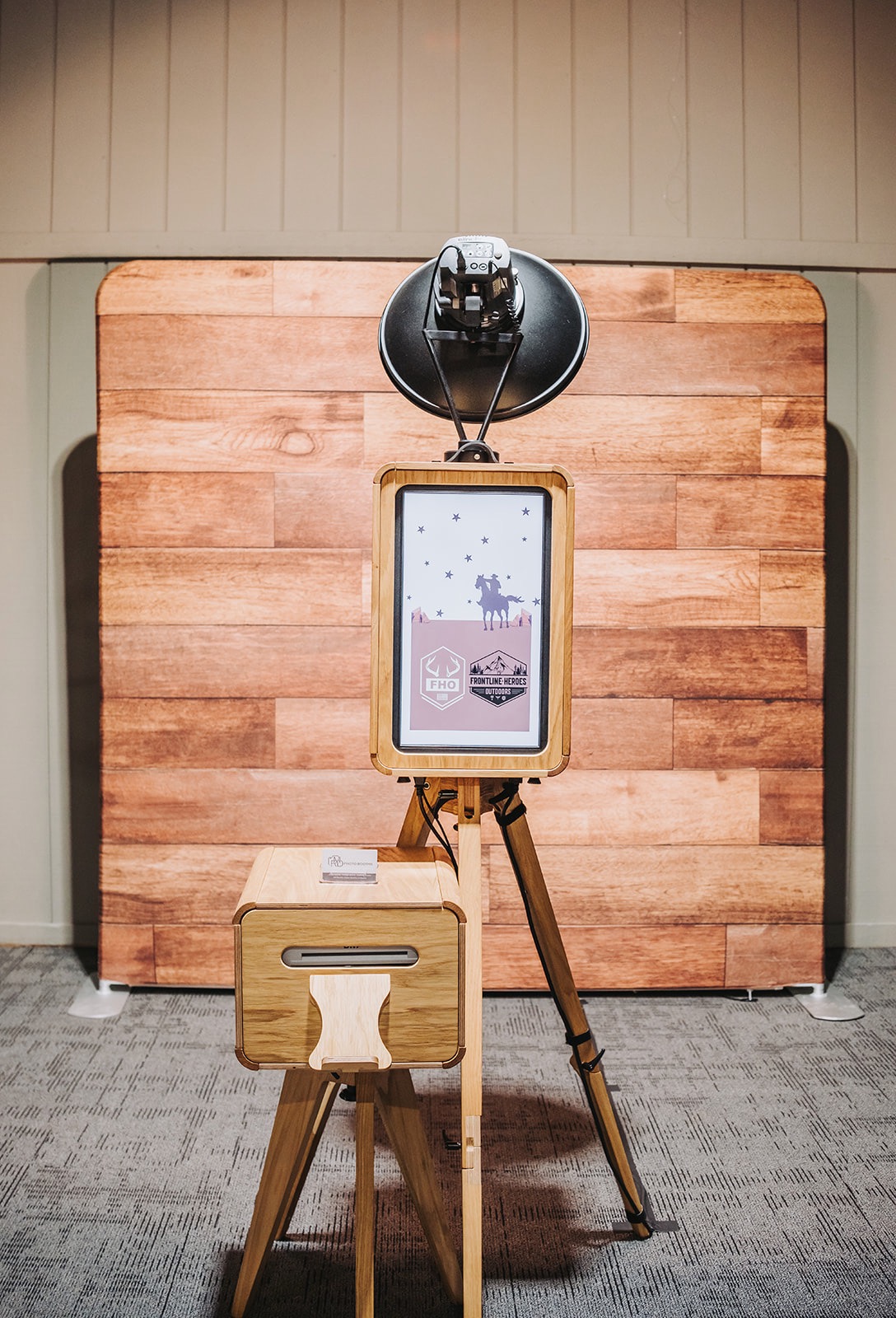
For an elegant black-tie gala, our glam booth setup brings studio lighting that matches formal decor instead of clashing with it. For a high-energy birthday or corporate celebration, the 360 booth experience turns the natural energy spike of the night into shareable, slow-motion moments that keep guests on the floor. Every booth comes with personalized overlays and branding so the visuals match your palette down to the color hex code.
Booking works the same way regardless of format: check your date’s availability, confirm your booth style and add-ons, and secure it with a deposit. Peak season weekends fill up fast, so if your event falls between spring and December, check availability and book your date as soon as your venue is locked in.
Quick Takeaways: The Checklist Recap You Can Act On Now
Event mood succeeds when lighting, sound, and one well-placed interactive element are planned together on a timed arc, not chosen separately.
| Point | Details |
|---|---|
| Control lighting first | Layer ambient, task, and accent light, and dim ambient below task lighting during dinner. |
| Build a sound arc | Keep conversation volume near 65 to 70 decibels, then let it climb past 85 decibels for dancing. |
| Place one interactive station visibly | Position it in a high-traffic spot so queuing itself pulls in more guests. |
| Book interactive vendors 3 to 6 months out | Peak-season photo booth dates fill fastest, so lock the format and overlays early. |
| Test the full setup before doors open | Walk the room with lighting and music running exactly as programmed, at least 30 minutes early. |
| Match booth format to mood | RMD Photo Booths offers glam, 360, vintage, and AI-powered formats built to fit the room, not force it. |
Sources
- Interactive vs. Passive Entertainment: Why Participation Wins at Events | uRequest Live
- Methodology of Managing the Emotional Atmosphere of an Event:
- How to Set the Mood for Any Event with Lighting & Music!
- Atmosphere Is Everything: How Lighting, Layout, & Sound Shape Guest Perception