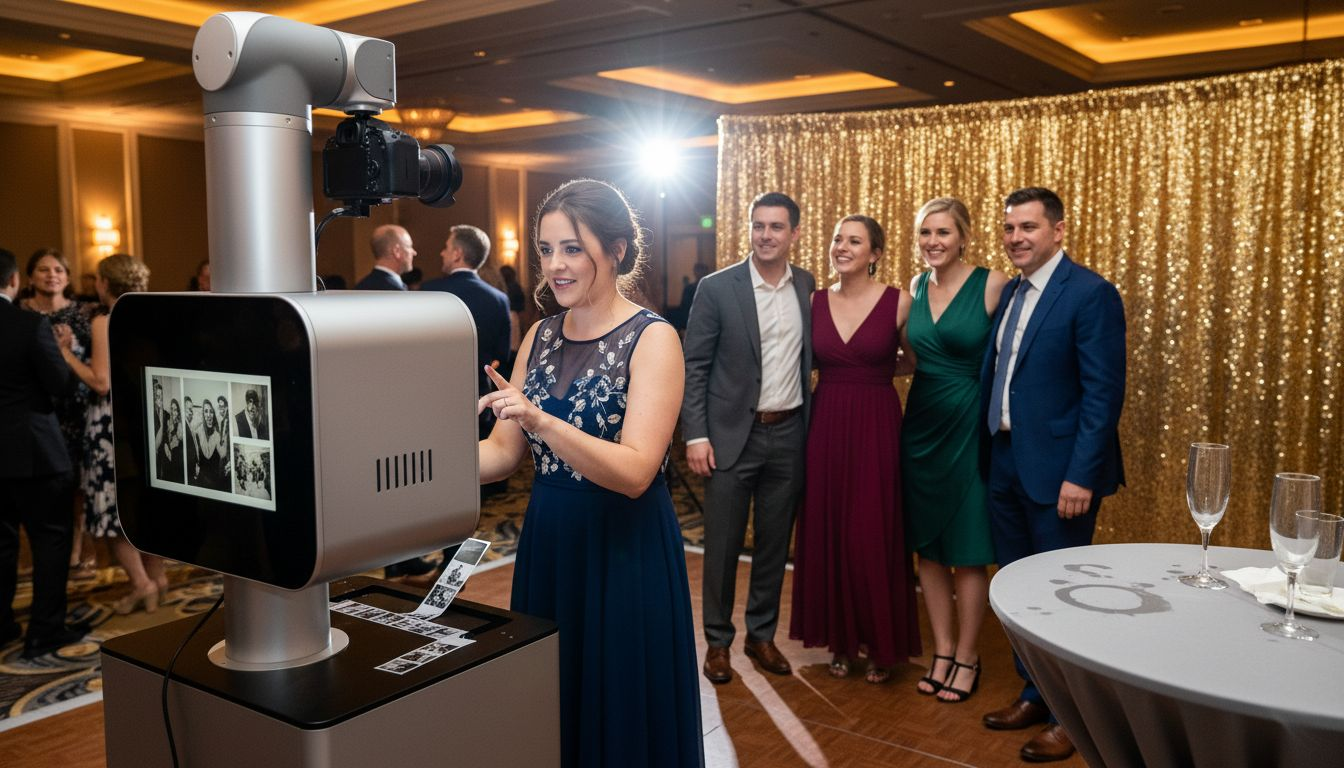
Many event planners dismiss robot photo booths as gimmicks, yet data shows these interactive experiences boost guest engagement by 20-30% compared to traditional setups. This technology combines robotics with instant photo printing to create memorable, shareable moments at weddings and corporate events. Understanding how robot photo booths work, their technical components, and when to choose them over alternatives like 360 video booths helps San Antonio planners deliver truly innovative experiences that guests remember long after the celebration ends.
Table of Contents
- What Is A Robot Photo Booth? Defining The Technology And Experience
- Core Components And Mechanics Behind Robot Photo Booths
- Robot Photo Booths Vs. 360 Video Booths: Which Fits Your Event?
- How To Use Robot Photo Booths For Weddings And Corporate Events In San Antonio
- Explore Robot Photo Booth Experiences For Your Next Event
- Frequently Asked Questions
Key takeaways
| Point | Details |
|---|---|
| Technology definition | Robot photo booths integrate embedded systems, computer vision, and robotic movement to automate photo capture and deliver instant printed keepsakes. |
| Guest engagement impact | Events using robot photo booths see 20-30% higher guest participation versus traditional booths through interactive robotic interfaces. |
| Core components | Systems combine camera modules, processing units like Raspberry Pi, thermal printers, and robotic arms with 5-15 second capture to print cycles. |
| Versus 360 video booths | Robot booths produce vintage-style prints for keepsakes while 360 booths create shareable slow-motion videos ideal for social media. |
| Event application | Optimal results require proper lighting setup, strategic venue placement, and pre-event testing of printer speed and image quality. |
What is a robot photo booth? Defining the technology and experience
A robot photo booth represents an evolution in event photography, where embedded systems and computer vision automate the entire capture process. Unlike static traditional booths, these systems use robotic movement to position cameras, interact with guests, and create dynamic photo experiences. The technology typically includes a camera module like a Raspberry Pi camera, a processing unit for image handling, and a thermal printer that produces instant keepsakes within seconds.
The hardware configuration determines the guest experience quality. Most systems employ high-resolution camera sensors paired with specialized lenses that perform well in varied lighting conditions. The processing unit handles real-time image enhancement, facial recognition for optimal framing, and communication with the printing system. Robotic elements range from simple motorized movements that create engaging animations to sophisticated arms that adjust angles based on guest positioning.
Guests approach the booth, trigger the system through touch screens or motion sensors, and watch the robot perform its capture sequence. The entire process from activation to receiving a printed photo typically takes 10-20 seconds depending on printer specifications and image processing complexity. This automated interaction creates novelty that traditional booths cannot match, encouraging repeat visits and social sharing throughout events.
Pro Tip: Choose dye-sublimation printers for vibrant, long-lasting prints at upscale weddings, or eco-friendly thermal options for corporate events focused on sustainability. Test both printer types beforehand to match your event’s aesthetic goals and environmental values.
Event data consistently demonstrates the appeal of robotic photo experiences. Venues implementing these systems report 20-30% higher guest engagement compared to traditional photo booth setups. The combination of technology novelty, instant gratification through physical prints, and shareable digital versions creates multiple touchpoints that keep guests entertained and connected to the event experience.
Core components and mechanics behind robot photo booths
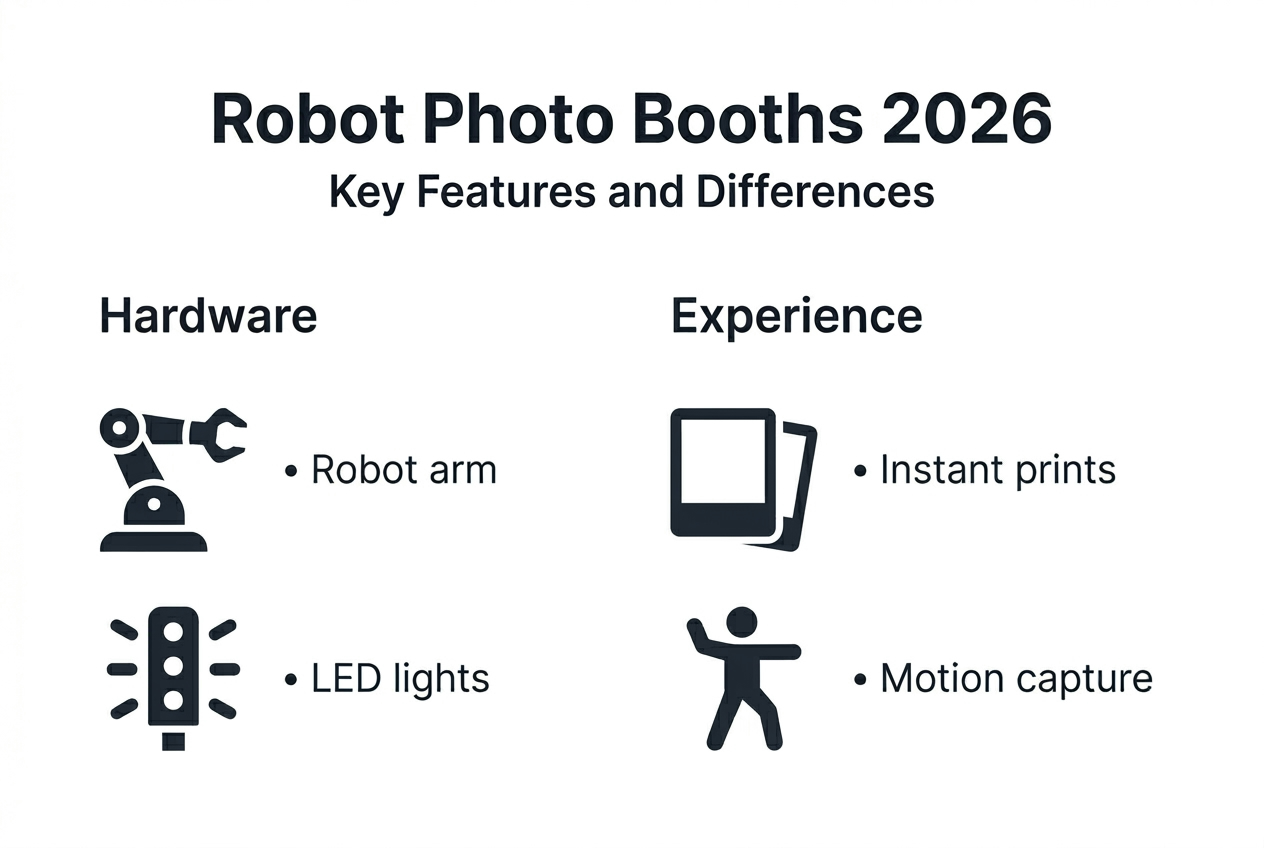
Understanding the technical architecture helps event planners optimize robot photo booth performance. The camera module serves as the primary input device, with most professional systems using sensors capable of capturing high-resolution images in challenging event lighting. Processing units like Raspberry Pi boards or dedicated embedded computers handle image capture, apply filters or branding overlays, and manage the printing queue.
The photo booth setup process involves several critical steps:
- Camera calibration for optimal focus and exposure settings
- Software configuration for image processing workflows
- Printer connection and paper/ribbon loading
- Robotic movement programming for engaging guest interactions
- Testing complete cycles under actual venue lighting conditions
System latency varies significantly based on component quality. Entry-level configurations might require 15-20 seconds from button press to printed output, while professional systems with faster processors and high-speed printers complete cycles in 5-10 seconds. This timing difference dramatically affects guest experience, particularly at high-traffic events where long wait times discourage participation.
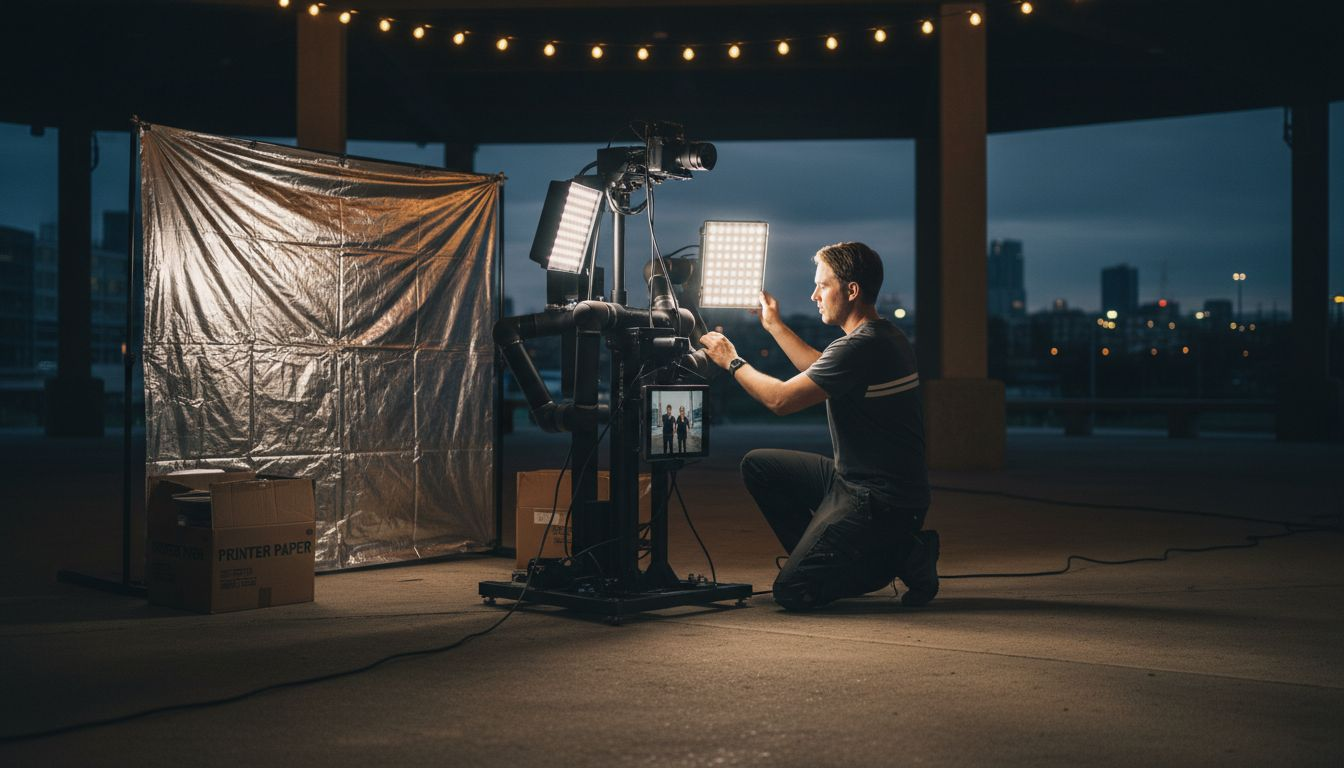
Lighting presents the most common operational challenge. Low-light reception venues or outdoor evening events require cameras with wide aperture capabilities and high ISO performance. The camera module quality directly determines image clarity, with professional systems using adjustable aperture lenses that adapt to ambient conditions. Supplemental lighting arrays mounted on the booth structure ensure consistent image quality regardless of venue conditions.
Software reliability separates professional installations from amateur setups. Robust systems include error handling for printer jams, automatic image backup to prevent data loss, and intuitive user interfaces that minimize guest confusion. The processing software must communicate seamlessly with both camera inputs and printer outputs while managing any branding overlays or custom filters requested by event hosts.
Pro Tip: Schedule a venue walkthrough 48 hours before your event to test robot photo booth performance under actual lighting conditions. Bring sample prints to verify color accuracy and adjust camera settings or supplemental lighting as needed to guarantee optimal results.
Thermal printers dominate robot photo booth applications due to their speed and reliability. These units produce prints in 5-15 seconds without requiring ink cartridges, though print longevity varies based on paper quality and storage conditions. Dye-sublimation printers offer superior color reproduction and archival quality but add processing time that can impact guest flow during peak usage periods.
Robot photo booths vs. 360 video booths: which fits your event?
Event planners often compare robot photo booths with 360 photo booth rentals when seeking innovative guest experiences. These technologies serve different purposes despite both offering interactive entertainment. Understanding their distinct capabilities helps match the right solution to specific event goals and audience preferences.
360 video booths employ motorized arms with high-definition cameras to capture slow-motion footage from multiple angles as the camera rotates around guests. The resulting videos provide cinematic, shareable content perfect for social media distribution. Guests receive digital files they can immediately post to Instagram, TikTok, or other platforms, extending event visibility far beyond the physical celebration.
Robot photo booths prioritize tangible keepsakes through instant printing. While many systems also provide digital copies via email or text message, the primary value lies in the physical print guests take home. This creates a different emotional connection, as printed photos become lasting mementos displayed in homes or offices rather than digital files that might get lost in camera rolls.
| Feature | Robot Photo Booth | 360 Video Booth |
|---|---|---|
| Primary output | Instant printed photos | Slow-motion video clips |
| Technology | Embedded systems, thermal printers | Motorized camera arms, video capture |
| Guest interaction | Button press, robotic movements | Platform posing, rotating camera |
| Processing time | 5-15 seconds to print | 30-60 seconds for video rendering |
| Best for | Weddings, vintage themes, keepsake focus | Corporate events, social media campaigns |
| Shareability | Moderate (requires digital copy) | Excellent (designed for social posting) |
The popularity of 360 video booths stems from their shareable content, guest interaction encouragement, and memorable experiences that align with modern social media culture. Corporate events benefit particularly from the branded video potential, as companies can overlay logos and messaging that spreads organically when attendees share clips online.
Robot photo booths excel at weddings and events where physical mementos matter. Couples appreciate that guests receive tangible reminders of their celebration, while the robotic elements add playful interaction that traditional booths lack. The vintage aesthetic of instant prints also complements classic wedding themes better than digital-first 360 video experiences.
Budget considerations differ between technologies. Robot photo booths require ongoing printer consumable costs for paper and ribbons, while 360 video booths have minimal per-use expenses after initial equipment investment. Event planners should factor in expected guest volume when calculating total costs, as high-traffic events can consume significant quantities of photo paper.
How to use robot photo booths for weddings and corporate events in San Antonio
Renting robot photo booths requires strategic planning to maximize guest engagement and ensure smooth operation throughout events. San Antonio venues range from historic downtown locations with challenging lighting to modern spaces with optimal conditions, making pre-event testing essential for quality results.
Printer selection impacts both aesthetic outcomes and operational sustainability. Dye-sublimation units produce vivid, long-lasting prints ideal for weddings where guests want archival-quality keepsakes. Thermal printers offer faster output and lower environmental impact, making them suitable for corporate events with high guest volumes. Consider your event’s tone and values when selecting printer technology, as this decision affects guest perception of quality and attention to detail.
Lighting setup determines image quality more than any other factor. San Antonio venues with large windows provide excellent natural light for daytime events, but evening receptions require supplemental lighting arrays. Position LED panels at 45-degree angles to minimize harsh shadows while providing enough illumination for wide aperture camera settings. Test shots under actual venue conditions reveal any color temperature mismatches between ambient and supplemental lighting that might require correction.
Venue placement strategies vary by event type and guest flow patterns. Wedding receptions benefit from positioning robot photo booths near cocktail areas or dance floors where guests naturally congregate during downtime. Corporate events should locate booths along main traffic routes to maximize visibility and encourage participation during networking breaks. Allow minimum 8×8 foot footprint including guest queuing space to prevent congestion.
Data shows 20-30% higher guest engagement when robot photo booths include clear instructions and engaging robotic movements. Program your system to perform welcoming animations when guests approach, use simple on-screen prompts for operation steps, and celebrate successful captures with fun gestures or sounds. These interactive elements transform photo booths from passive amenities into entertainment attractions.
Pro Tip: Enable instant digital sharing through QR codes or text message delivery to extend your event’s reach beyond physical attendees. Guests who share robot photo booth images on social media provide organic promotion while creating additional touchpoints that keep your celebration memorable weeks after it ends.
San Antonio event trends increasingly favor creative party photo booth applications that align with local culture and aesthetics. Incorporate custom backdrops featuring iconic San Antonio landmarks, add themed props that reflect Texas heritage, or program robotic movements that reference local traditions. These personalized touches create stronger connections between the technology and your specific celebration.
Corporate events require different customization approaches. Brand the photo strips with company logos and event hashtags, program the robot to deliver brand-aligned messaging during interactions, and coordinate print designs with overall event marketing materials. This consistency reinforces brand identity while providing attendees with professional-quality souvenirs that remind them of both the experience and the organization behind it.
Timing considerations affect guest participation rates. Wedding receptions see peak photo booth usage during cocktail hour and after dinner service before dancing begins. Corporate events experience highest traffic during registration, mid-morning breaks, and immediately following keynote presentations. Schedule any booth demonstrations or staff-assisted sessions during these natural lulls to maximize participation without competing with primary programming.
Explore robot photo booth experiences for your next event
Transforming your San Antonio celebration from ordinary to extraordinary starts with selecting the right interactive experiences. RMD Photo Booths specializes in delivering robot photo booth experiences tailored specifically for weddings and corporate events throughout the region. Our systems combine cutting-edge technology with user-friendly operation, ensuring your guests enjoy seamless interactions that create lasting memories.

Our robot photo booth rental packages include complete setup, on-site technical support, and unlimited prints throughout your event. We handle all aspects from initial consultation through final breakdown, letting you focus on hosting while we manage the technology. Each system comes pre-configured for your venue’s specific lighting conditions and customized with your preferred branding, themes, or design elements.
Booking your robot photo booth experience takes minutes through our streamlined online platform. Visit our booking page to check availability for your event date, explore customization options, and secure your reservation. Our San Antonio team brings over 1,000 five-star reviews worth of expertise to every installation, guaranteeing professional service that exceeds expectations and delights your guests from first interaction to final print.
Frequently asked questions
What distinguishes a robot photo booth from a traditional photo booth?
Robot photo booths incorporate motorized elements and embedded computer systems that automate photo capture through programmed movements and interactions. Traditional booths remain stationary with manual operation, while robot versions engage guests through dynamic positioning, automated framing, and interactive animations that create novelty and encourage participation.
How long does it take to get a photo print from a robot photo booth?
Most professional robot photo booth systems complete the entire cycle from button press to printed output in 5-15 seconds. Processing time varies based on printer technology, image resolution settings, and any custom overlays or filters applied. High-end dye-sublimation printers may require additional seconds compared to faster thermal printing options.
Are robot photo booths suitable for all event types in San Antonio?
Robot photo booths work exceptionally well for weddings, corporate events, milestone celebrations, and private parties where guests appreciate interactive entertainment and physical keepsakes. They suit both indoor and covered outdoor venues with adequate space for setup and guest queuing. Events prioritizing social media sharing over physical prints might prefer 360 video booth alternatives.
What are the lighting requirements for optimal photo quality?
Optimal robot photo booth performance requires consistent ambient lighting of at least 500 lux or supplemental LED panels positioned to minimize shadows. Wide aperture camera settings help compensate for lower light conditions, but very dark venues need additional lighting arrays. Pre-event testing under actual venue conditions ensures proper exposure and color balance.
Can guests share their robot photo booth photos on social media instantly?
Most modern robot photo booth systems offer digital delivery through QR codes, text messages, or email alongside physical prints. Guests scan a code or enter their contact information to receive high-resolution digital copies within seconds, enabling immediate social media posting while still providing tangible printed keepsakes to take home.